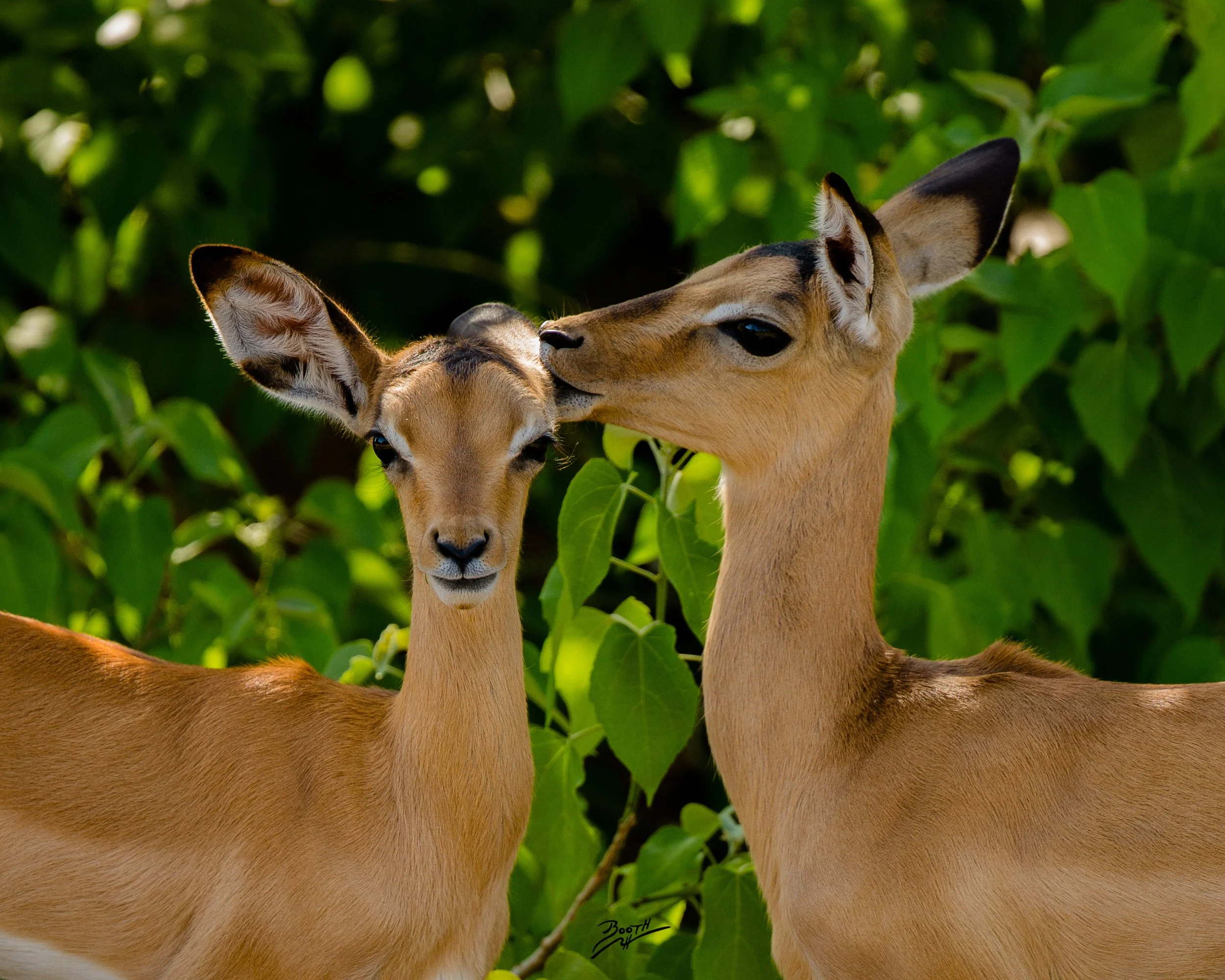
Life on the Edge: Understanding the Wild Life of Impalas
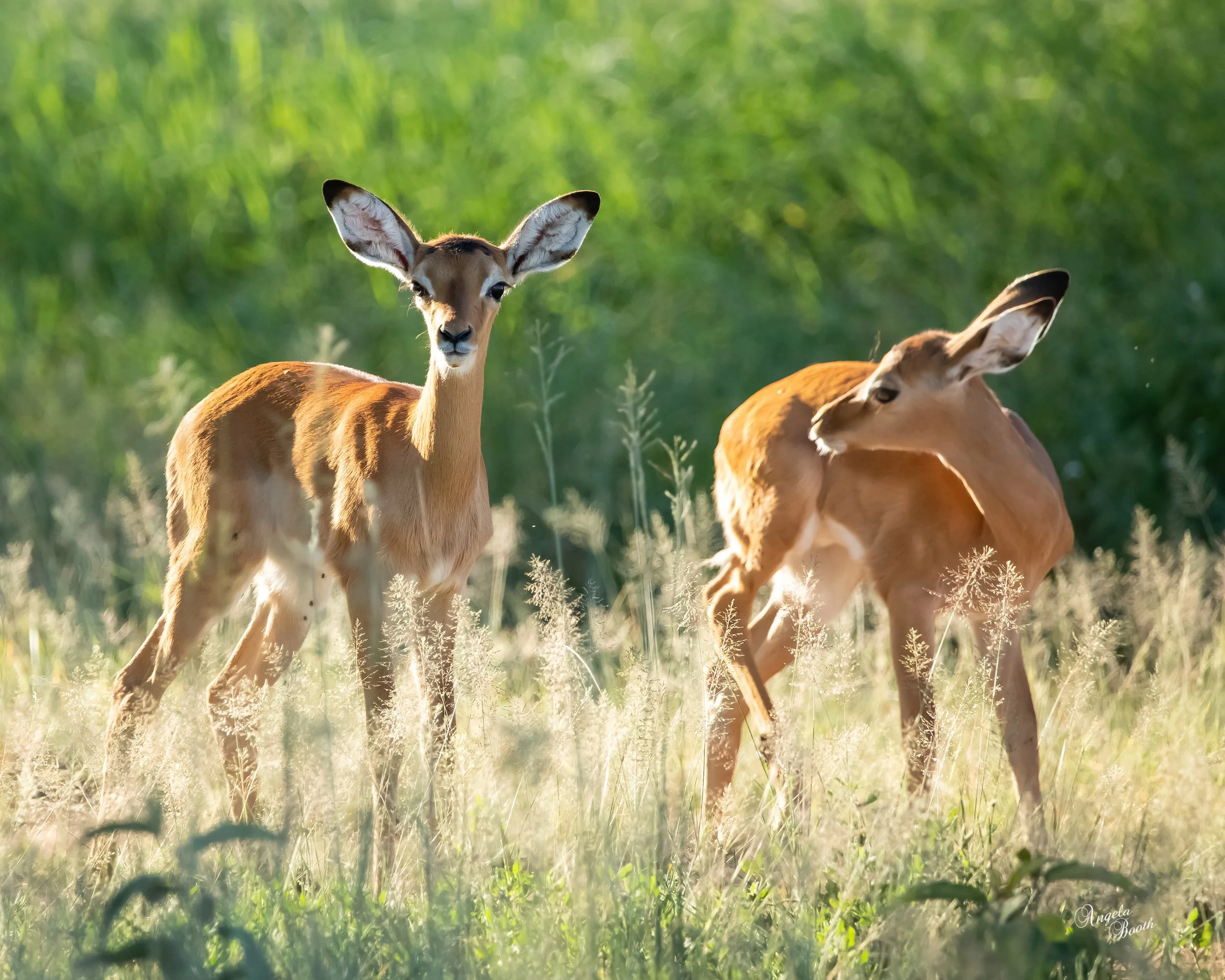
The impala is, to me, one of the true icons of safari. A constant presence across so many of the landscapes we explore.
Graceful, alert, and seemingly delicate, they are among the most successful antelope in Africa. Not because they are the strongest or the fastest, but because they are adaptable, deeply social, and finely attuned to the rhythms of the wild.
To truly appreciate impalas is to look beyond their abundance and begin to understand the complexity of their lives.
Herd Structure: A Life in Motion
Impalas live within a fluid, ever-changing social system—one shaped by the rhythms of season, the availability of resources, and the pull of breeding cycles.
At the heart of impala society is the breeding herd: groups of females and their young, often numbering anywhere from a dozen to more than fifty individuals.
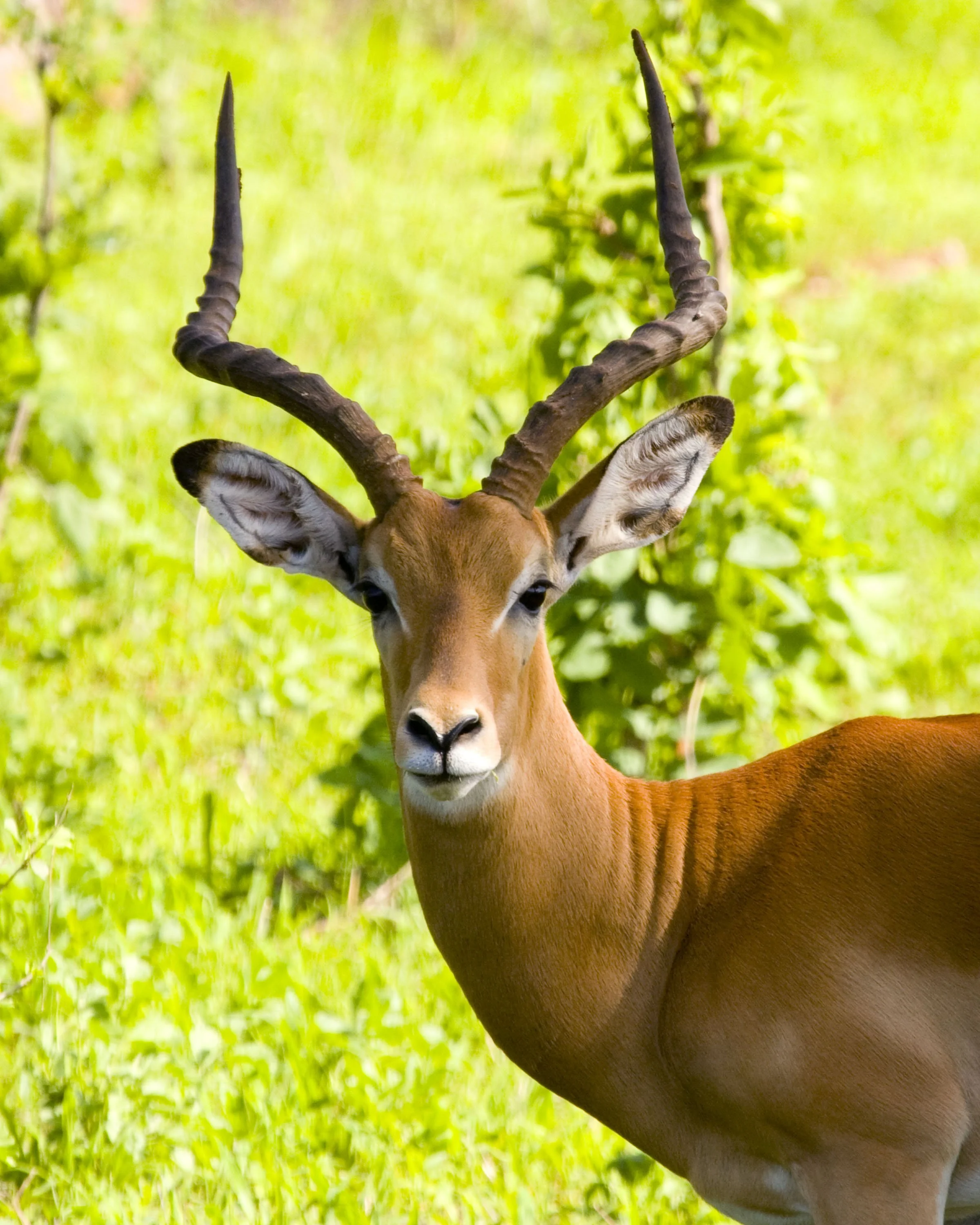
These herds are overseen by a dominant male—but only for a time.
Unlike some species, impala females are not tied to a single male permanently. As strength shifts, so too does leadership. A more powerful male may challenge and replace the current dominant, while the females remain together, forming the true foundation of the herd. They raise their young collectively, ever watchful, their awareness a shared defense against danger.
Meanwhile, young and non-dominant males gather in loose bachelor groups. Here, they spar and test one another, building strength and experience as they wait for their opportunity.
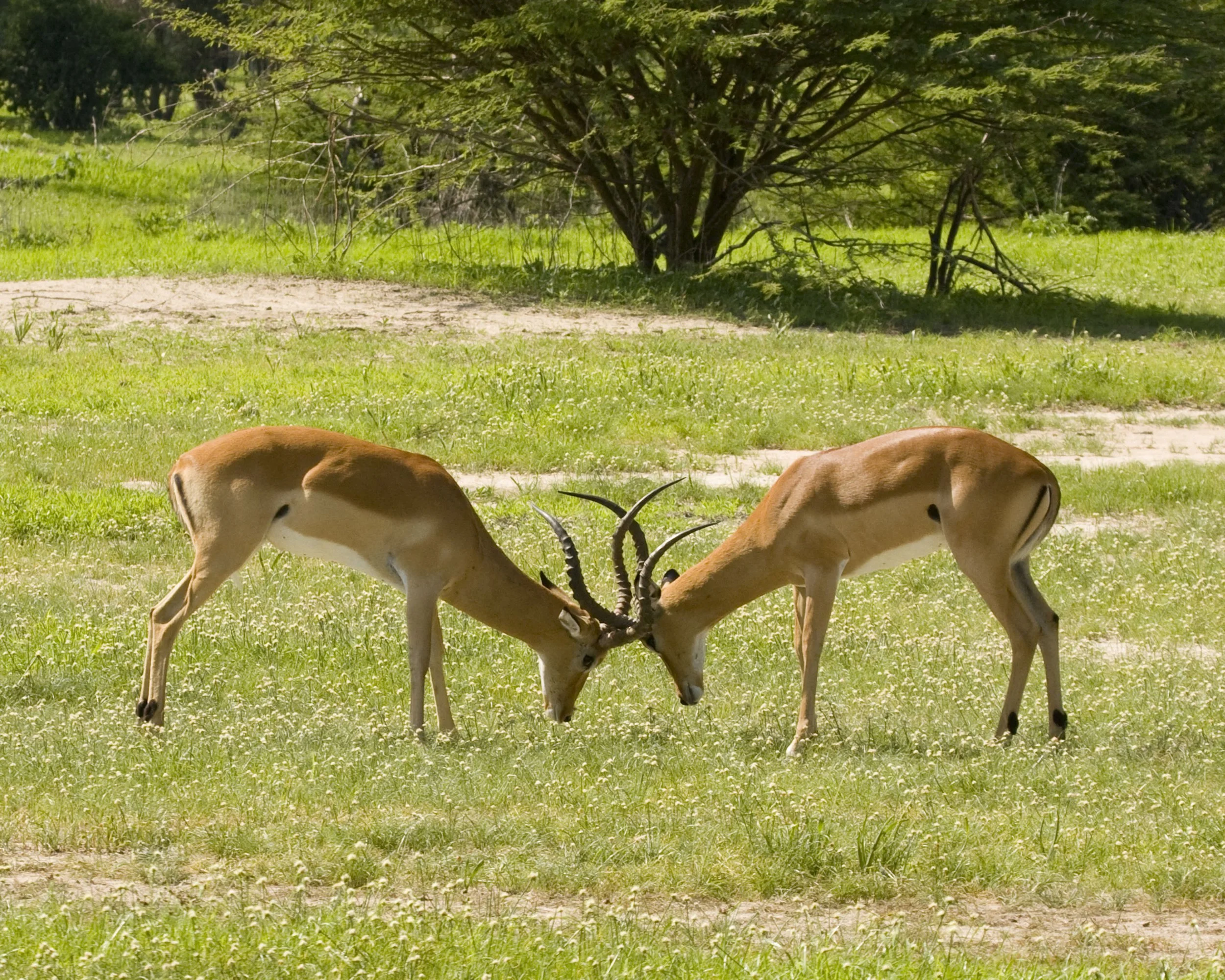
These bachelor herds often linger along the edges of breeding territories—close enough to watch, and to try their luck.
For the dominant male, life is a constant cycle of vigilance and defense. Rivals must be chased off, challenges met, boundaries maintained. It is an exhausting role, one that few can hold for long—which is why leadership within the herd is always in motion.
When Do Impalas Have Babies?
Unlike some species, impalas are synchronized breeders.
The rut—when males compete for breeding rights—peaks in April and May. Several months later, as the landscape begins to respond to the rains, lambs arrive in remarkable numbers, typically during November and December.
In places like the Serengeti, most births occur within a relatively short window, closely aligned with the seasonal rains.
This timing is no accident.
Fresh, nutrient-rich grasses provide essential nourishment for lactating mothers and just as importantly, there is safety in numbers.
A Strategy of Survival
This synchronized birthing is a powerful survival strategy known as predator swamping.
When so many newborns arrive at once, predators simply cannot keep up. They take what they can—but they cannot take them all.
And so, the odds shift and each individual lamb stands a greater chance of survival, not because it is stronger or faster, but because it is one of many.
It is, quite simply, a numbers game and one that works.
Still, those early days are among the most vulnerable.
Newborn impalas are hidden away for the first days and sometimes weeks of life, carefully tucked into vegetation. Their mothers return quietly and periodically to nurse them, minimizing movement and scent that might draw attention.
This “hider” strategy offers a crucial layer of protection.
Eventually, the young rejoin the herd—stepping into a world where vigilance is everything, and survival depends on many eyes, many ears, and the constant awareness of the group.
Growing Up Fast
Life accelerates quickly for a young impala.
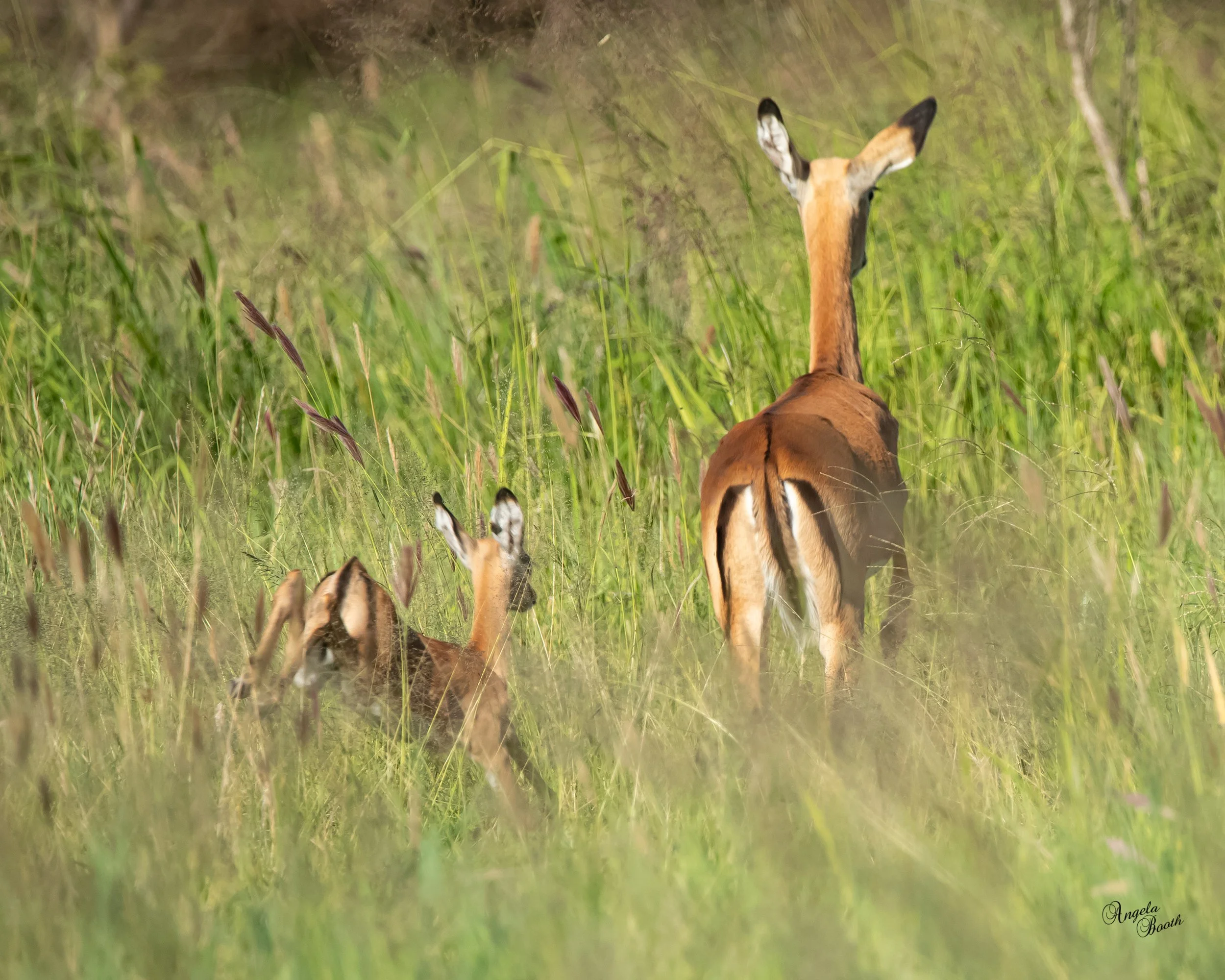
Within an hour of birth, lambs are on their feet, unsteady at first, but driven by instinct to get those dainty legs moving… quickly. Within days, they are capable of keeping pace with the herd, even at a full run.
There is little time for vulnerability in the bush. The rhythm of the wild demands strength and it demands it early.
The signature leaps of the impala, those high, effortless, almost floating bounds—are more than just a beautiful display.
They are survival in motion.
Each leap is unpredictable, a sudden shift in direction and height that makes it far more difficult for a predator to anticipate their path… and far harder to bring them down.
A Life of Constant Awareness
Impalas live in a world where danger is never far away.
They are prey for lions, leopards, cheetahs, hyenas, wild dogs and others… some you may not expect.
And yet… they thrive.
Their success lies in a powerful combination of traits:
numbers—more eyes, more ears
agility—quick turns, high leaps and explosive speed
adaptability—able to both graze and browse, adjusting with the seasons and making use of what is available
But above all, it is their awareness that defines them.
They are always watching.
Always listening.
Always ready.
Grace in the Everyday
Because impalas are so common, it’s easy to overlook them while on safari.
But I challenge you to take a little time and truly watch them…
A herd moving as one, flowing across the landscape.
The sudden stillness… heads lifted, eyes fixed, every sense locked on a hint of danger.
Young males testing their strength in a quiet sparring match.
A “nursery” of lambs resting together in the shade, while the herd grazes nearby.
And slowly, you begin to see something deeper.
They are not just background to the safari story.
They are an intricate part of it.
Living in Balance
Impalas embody a delicate balance—between vulnerability and resilience, abundance and risk.
They are a reminder that survival in the wild is not always about dominance.
Sometimes, it is about timing.
Sometimes, it is about community.
And often, it is about simply being aware enough… to live another day.