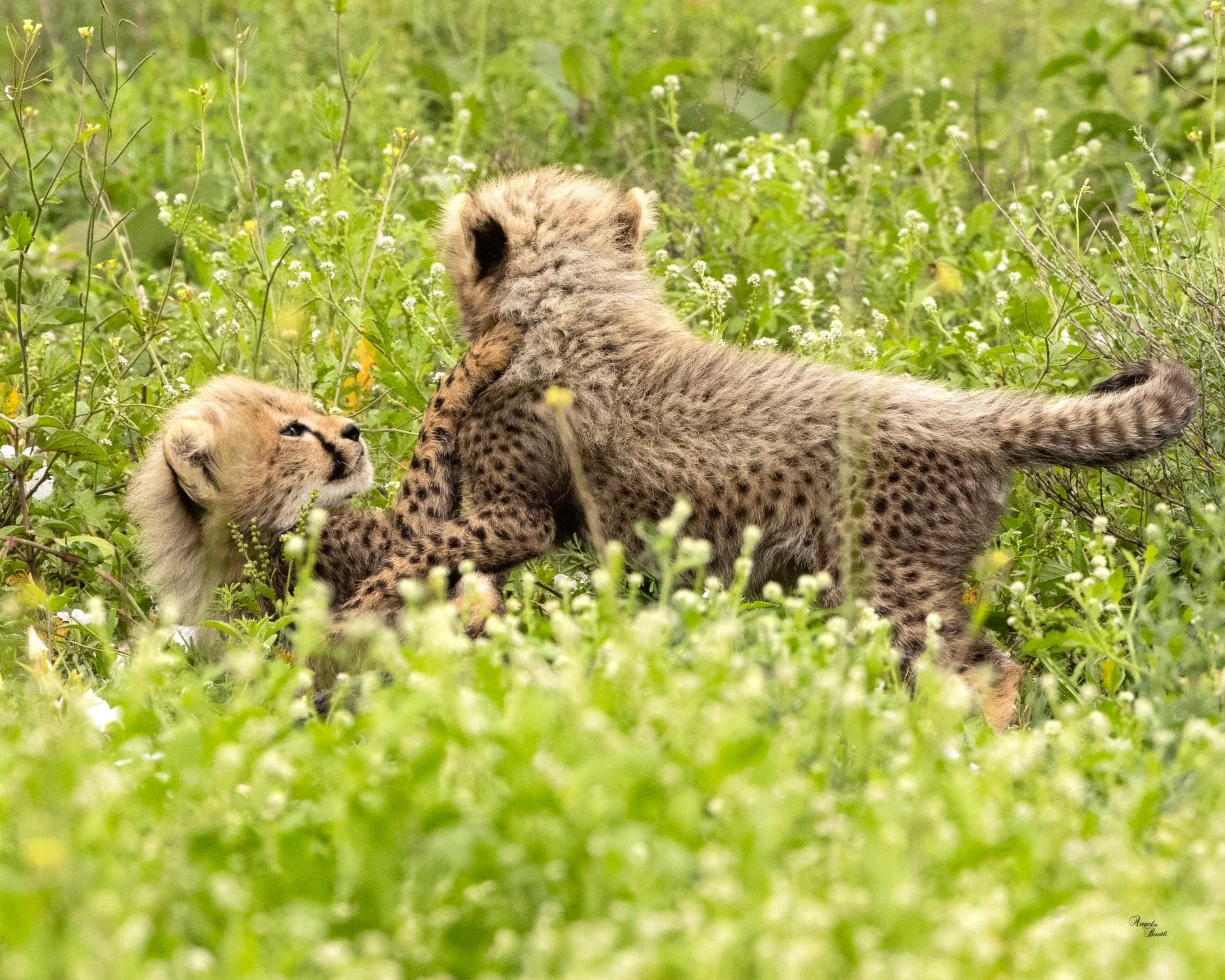
When is “Baby Season” in Tanzania?
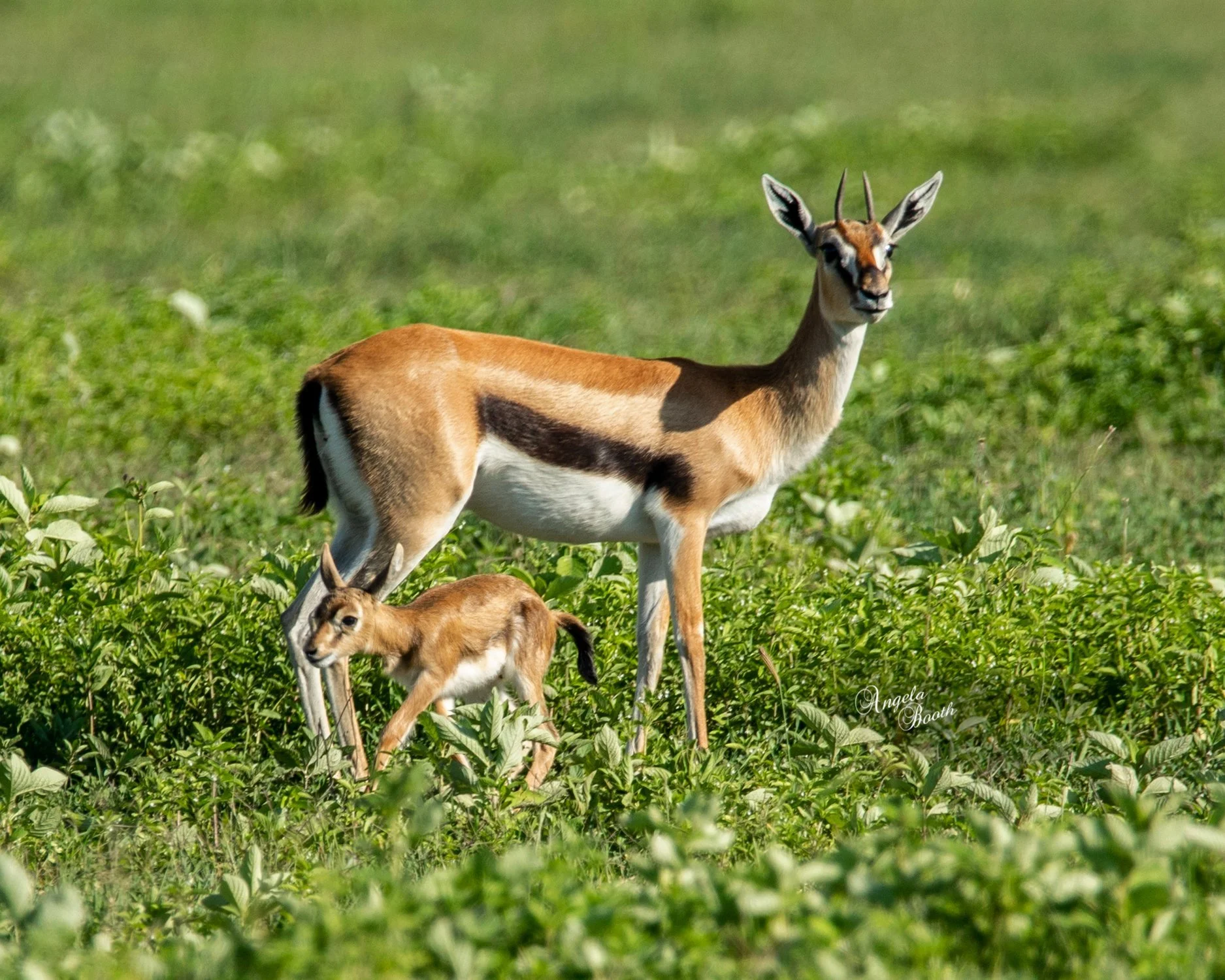
It’s a simple question—with a beautifully complex answer.
When people dream of visiting Tanzania, many imagine tiny hooves finding their footing, wobbly steps in golden grass, and the quiet tenderness of new life on the plains. Naturally, the question follows:
When is baby season?
The truth is… it’s not just one moment on the calendar.
A Land Without Hard Seasons
Unlike many parts of the world, East Africa doesn’t experience the kind of harsh seasonal extremes that strictly dictate breeding cycles. There is no deep winter that forces a pause, no narrow window where life must begin or be lost.
Instead, places like the Serengeti and Ngorongoro Crater exist within a mild, fluctuating climate shaped by rainfall rather than temperature.
Because of this, many species—especially resident animals like:
elephants
giraffes
lions
zebras
impalas and other gazelles
can and do give birth throughout the year.
If you travel at almost any time, you will likely encounter some form of new life unfolding.
But There Is a Peak
While births happen year-round, certain species follow more synchronized patterns—especially those tied closely to rainfall and grass availability.
The most famous example is the wildebeest.
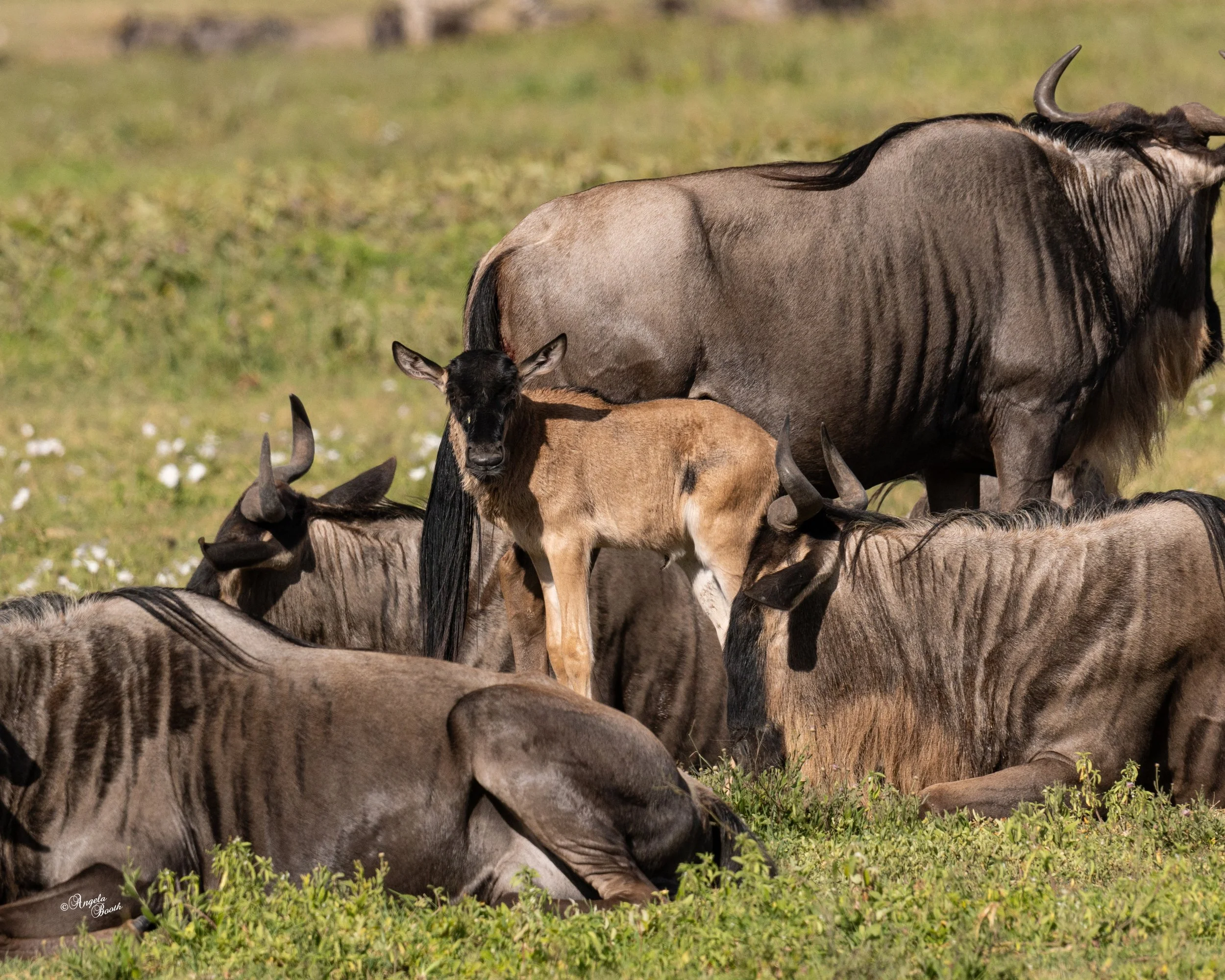
Each year, in the southern plains of the Serengeti (Ndutu region), an extraordinary event unfolds between late January and February:
The Great Wildebeest Calving Season.
Hundreds of thousands of wildebeest give birth within a remarkably short window—often around 2 to 3 weeks. It’s estimated that over 500,000 calves are born during this time.
Why such precision?
Because timing is everything.
The short rains have transformed the plains into nutrient-rich grazing grounds. These fresh grasses provides vital nourishment for nursing mothers. Safety, in numbers, becomes a strategy—overwhelming predators with sheer volume. It is one of the most intense and emotionally charged wildlife spectacles on earth.
Predators and the Pulse of Life
Where there is new life, there is also heightened tension.
Calving season is not just about births—it’s about survival.
Predators like lions, cheetahs, and hyenas are never far away. For them, this is a time of opportunity. For the newborns, it is a race to stand, to move, to stay close to its mother.
A wildebeest calf can be on its feet within minutes… running within hours.
Because it has to be.
The Quiet Births You Might Not Expect
Beyond the dramatic migration, there are quieter, more intimate moments happening all year long.
A newborn giraffe folded gently into the grass.
A lion cub blinking in the early morning light.
A baby elephant tucked safely beneath the presence of its herd.
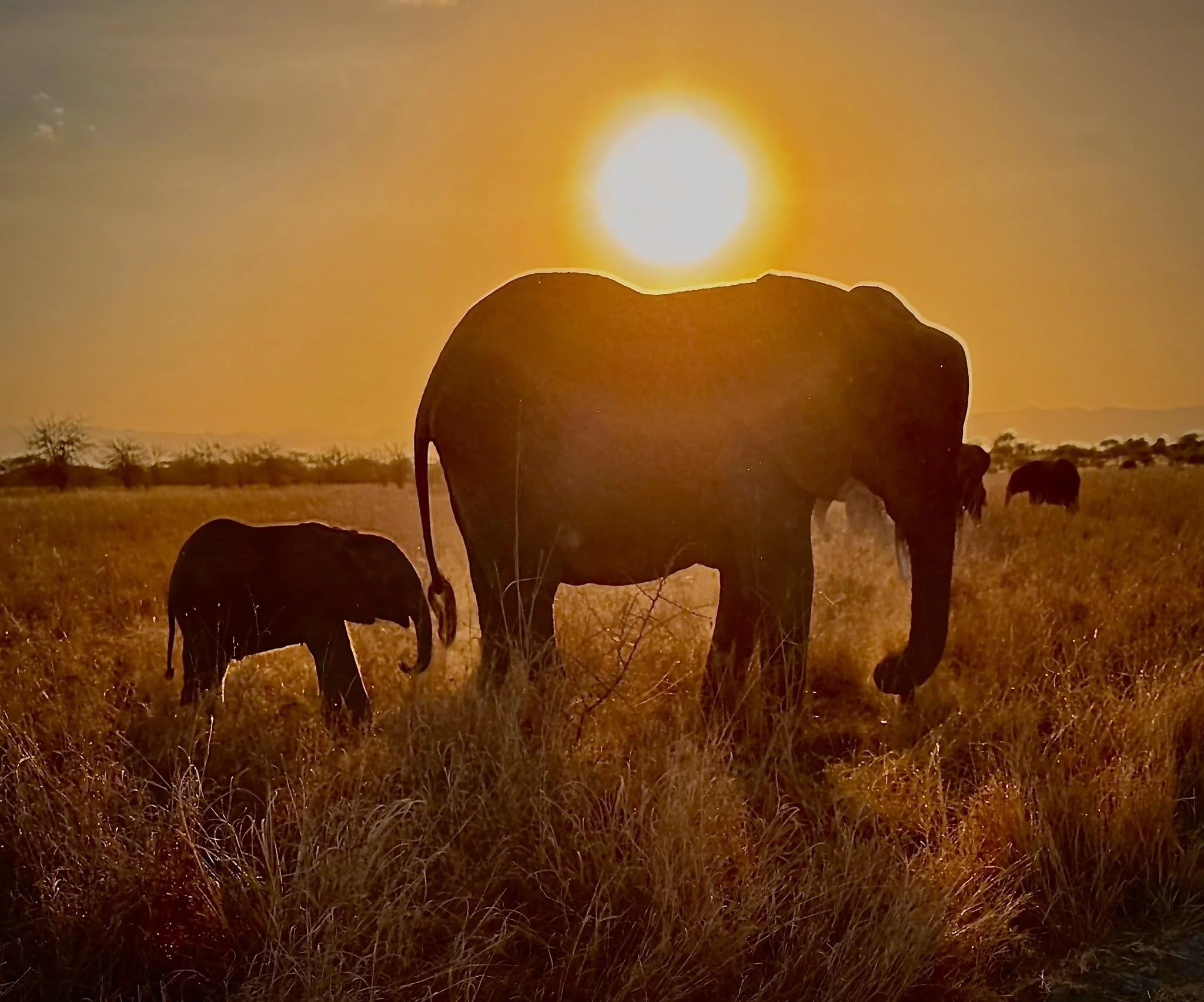
These moments aren’t tied to a specific “season”—they are part of the continuous rhythm of life.
So… When Should You Go?
If your dream is to witness large-scale calving and predator interaction, then January through February in the southern Serengeti is extraordinary.
But if your dream is simply to experience the wonder of new life in the wild?
Then the answer is wonderfully simple:
Any time. (Well… almost any time. There are a couple of months that I would not visit Tanzania)
Because Tanzania doesn’t offer a single “baby season.”
It offers something far more intense—
A landscape where life is always beginning, always unfolding, always finding its way forward.
Living Within the Rhythm
To understand Tanzania is to let go of rigid timelines.
Life there follows rain, instinct, movement, and opportunity. It is fluid. It is responsive. It is deeply connected to the land.
And when you spend time in these places, you begin to feel it too.
Not just the excitement of seeing a newborn take its first steps…
…but the deeper awareness that in the wild, life is not confined to a season.
It is a rhythm.
And it never truly stops.