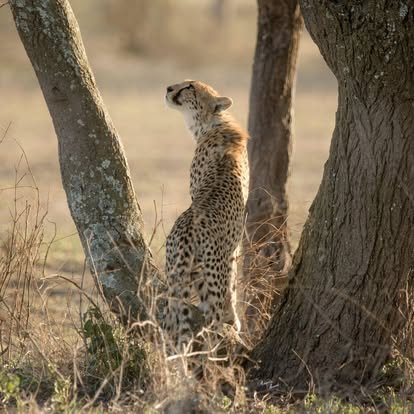
Raising Ghosts of the Grass: A Mother Cheetah in the Serengeti
Raising Ghosts of the Grass: A Mother Cheetah in the Serengeti
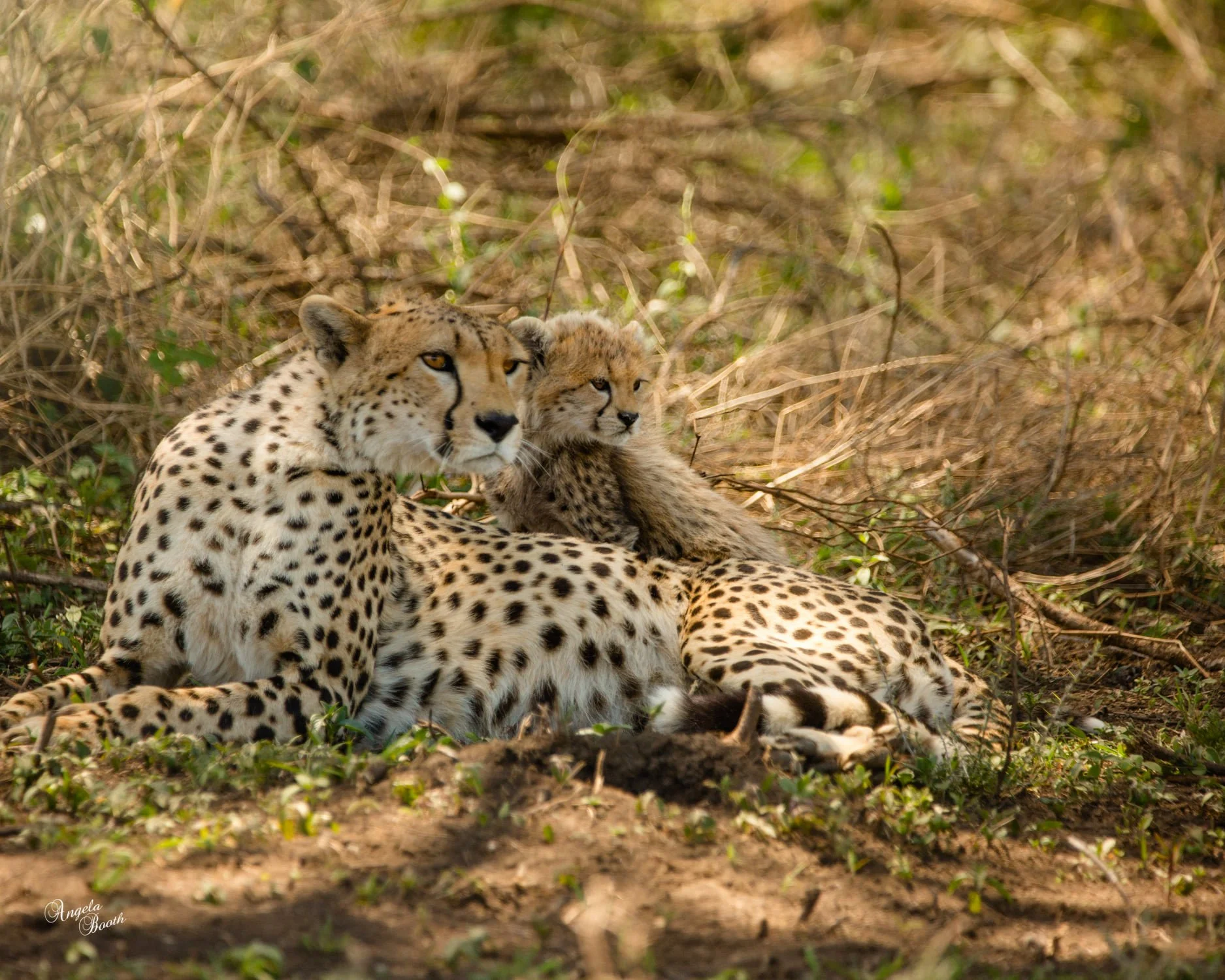
There is a particular kind of courage required to raise young alone on the open plains.
In the sweeping grasslands of the Serengeti, a mother cheetah lives a life defined by quiet decisions—where to rest, when to move, what risks to take, and which to avoid. Unlike lions, she has no pride, no sisters to help her, no strength in numbers.
She has only herself.
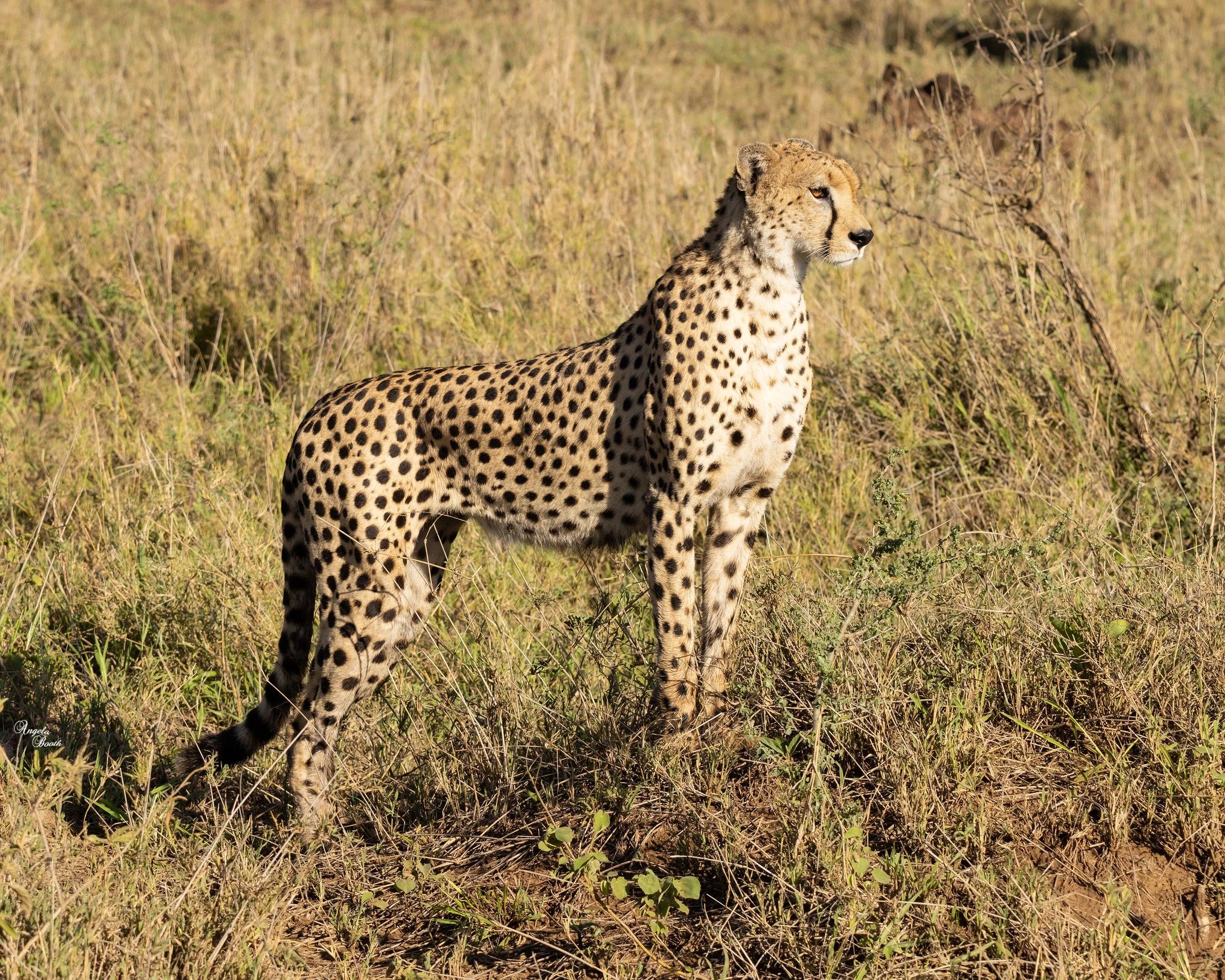
And the fragile, flickering lives of her cubs.
A Solitary Beginning
Female cheetahs are solitary by nature. They come together with males only briefly to mate, then return to a life lived alone across wide territories.
When the time comes to give birth, a mother will slip away from open ground and choose a hidden place—often dense grass, a thicket, or low scrub where visibility is limited. It is a careful, instinctive choice.
Here, she will give birth to a litter that typically ranges from 3 to 5 cubs, though it can be as few as two or as many as eight.
They are born blind, utterly vulnerable, and completely dependent on her.
The Stillness of Survival
In those first weeks, the cubs cannot travel.
This is one of the most dangerous periods of their lives.
The mother must leave them hidden while she hunts—sometimes for hours at a time. Before she goes, she will carefully conceal them, relying on stillness and camouflage to keep them safe.
And this is where one of nature’s most remarkable adaptations comes into play.
Each cub is born with a long, silvery-gray mantle of fur that runs along its back. This mantle helps them blend into the grasses, breaking up their outline and making them less visible to predators. Some researchers also believe it mimics the appearance of a honey badger—an animal many predators prefer to avoid.
Even so, danger is constant.
Hyenas, lions, leopards, and even birds of prey pose a threat. Without the ability to flee, survival depends entirely on remaining unseen.
The odds are not in their favor.
First Steps into the World
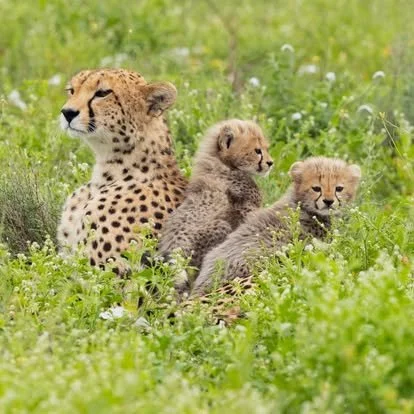
At around 4 to 6 weeks old, the cubs begin to move more confidently and are strong enough to start following their mother. This is when she begins relocating them more frequently, never staying too long in one place.
Movement, now, becomes part of survival.
As they grow, the cubs start to explore, to play, to test their limbs in short bursts of speed. These early games—stalking, pouncing, chasing one another—are not just play. They are practice.
The foundation of everything they will need to survive.
A Fragile Window
The early months are the hardest.
It’s estimated that only about 5–10% of cheetah cubs survive to adulthood in the wild. The combination of predation and environmental pressures makes this one of the most difficult starts of any predator on the plains.
By around 3 months of age, their chances begin to improve slightly. They are more mobile, more aware, and better able to respond quickly to danger.
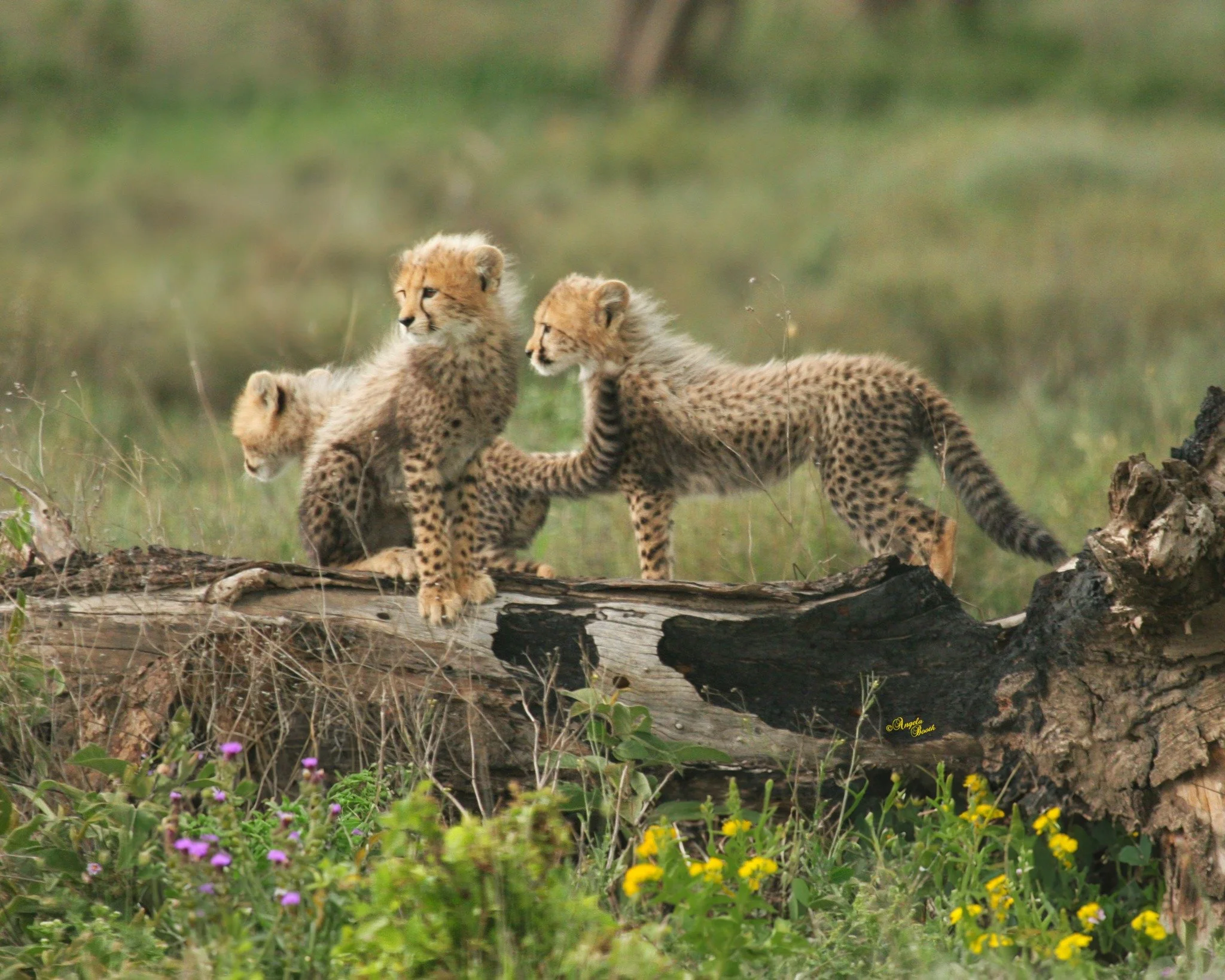
But true confidence comes later.
Speed, Skill, and Learning to Hunt
Cheetahs are known as the fastest land animals on earth—but that speed is not immediate.
Cubs must grow into it.
At around 5–6 months, they begin to accompany their mother on hunts, watching closely as she stalks and chases prey. At first, they are observers. Then, gradually, participants.
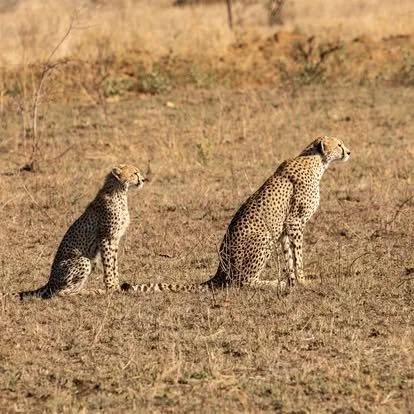
She will sometimes capture prey and release it, giving the cubs a chance to practice the chase and the kill. These moments can look almost playful—but they are critical lessons.
Success does not come quickly.
It takes months of trial, error, and persistence before a young cheetah becomes an efficient hunter.
By around 12–15 months, they are capable of short bursts of serious speed and are much better equipped to evade danger. Their survival odds increase significantly at this stage—not because they can outrun every predator, but because they are more aware, more agile, and less vulnerable.
The Bond and the Letting Go
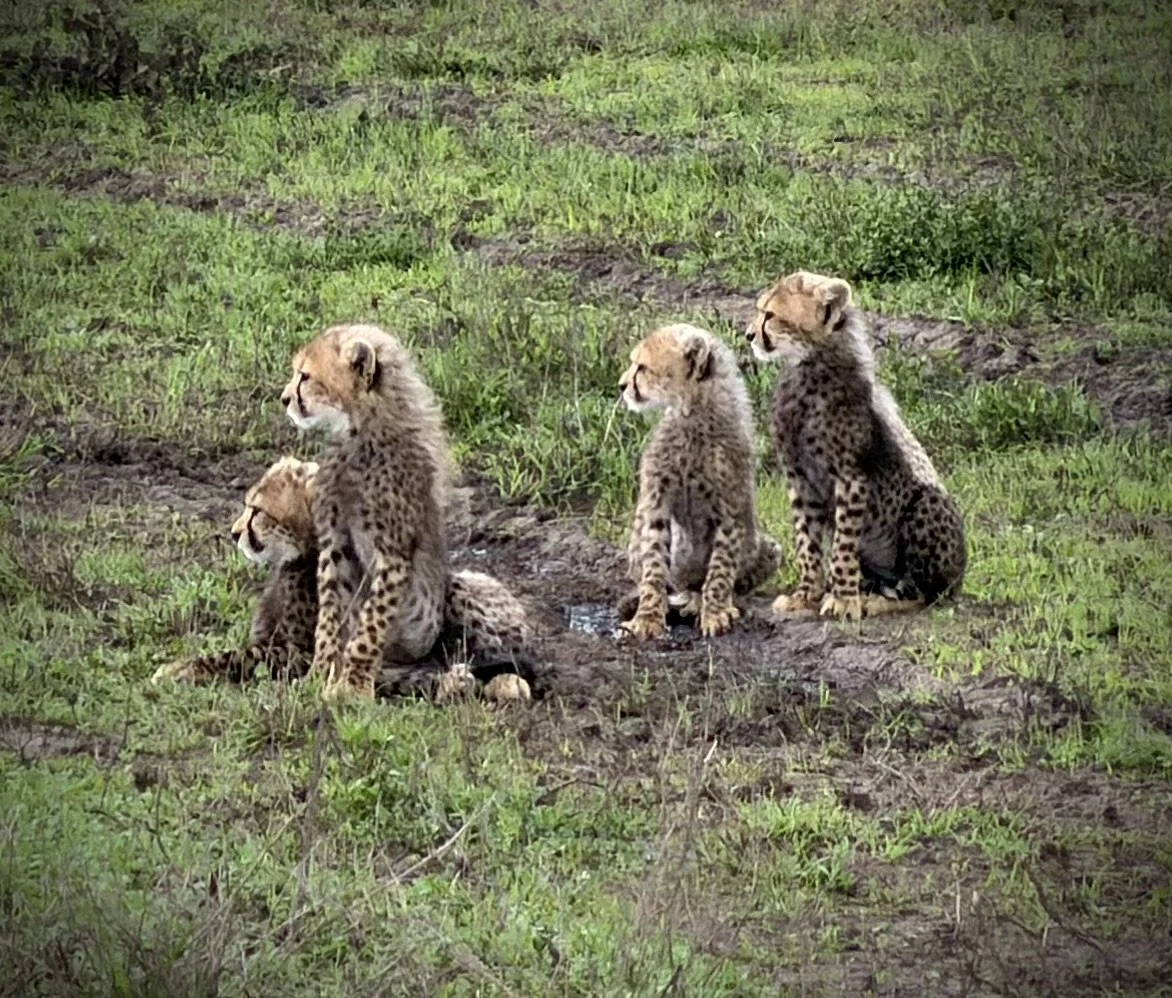
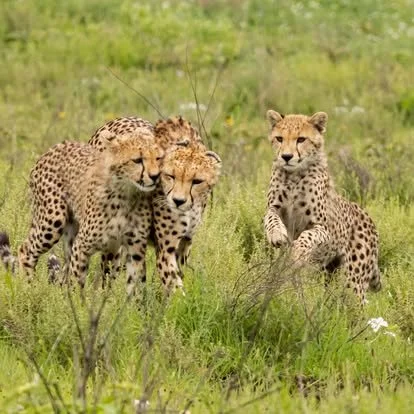
Cheetah cubs will stay with their mother for about 16 to 20 months.
During this time, she teaches them everything—how to hunt, where to move, what to avoid. She feeds them, protects them, disciplines them when needed, and leads them across the vast landscape.
Then, one day, it ends.
There is no ceremony. No clear moment.
She simply begins to distance herself.
The cubs—now nearly grown—may stay together for a while, especially siblings, forming small coalitions as they navigate independence. But their mother moves on.
Her role is complete.
The Cycle Begins Again
A female cheetah can come into estrus again relatively soon after separating from her cubs—sometimes within a few weeks.
However, she does not raise a new litter while still caring for dependent cubs. Her focus remains entirely on the young she has until they are capable of surviving on their own.
Only then does the cycle begin again.
A Life of Quiet Resilience
There is something deeply moving about a mother cheetah’s journey.
No pride. No backup. No margin for error.
Just instinct, awareness, and an unrelenting drive to give her cubs a chance—however small those odds may be.
To witness her on the plains—moving through golden grass, cubs trailing behind, alert and watchful—is to see a different kind of strength.
Not the dominance of a lion.
But the quiet, determined resilience of a life lived on the edge…
guided, always, by the unseen rhythms of the wild.