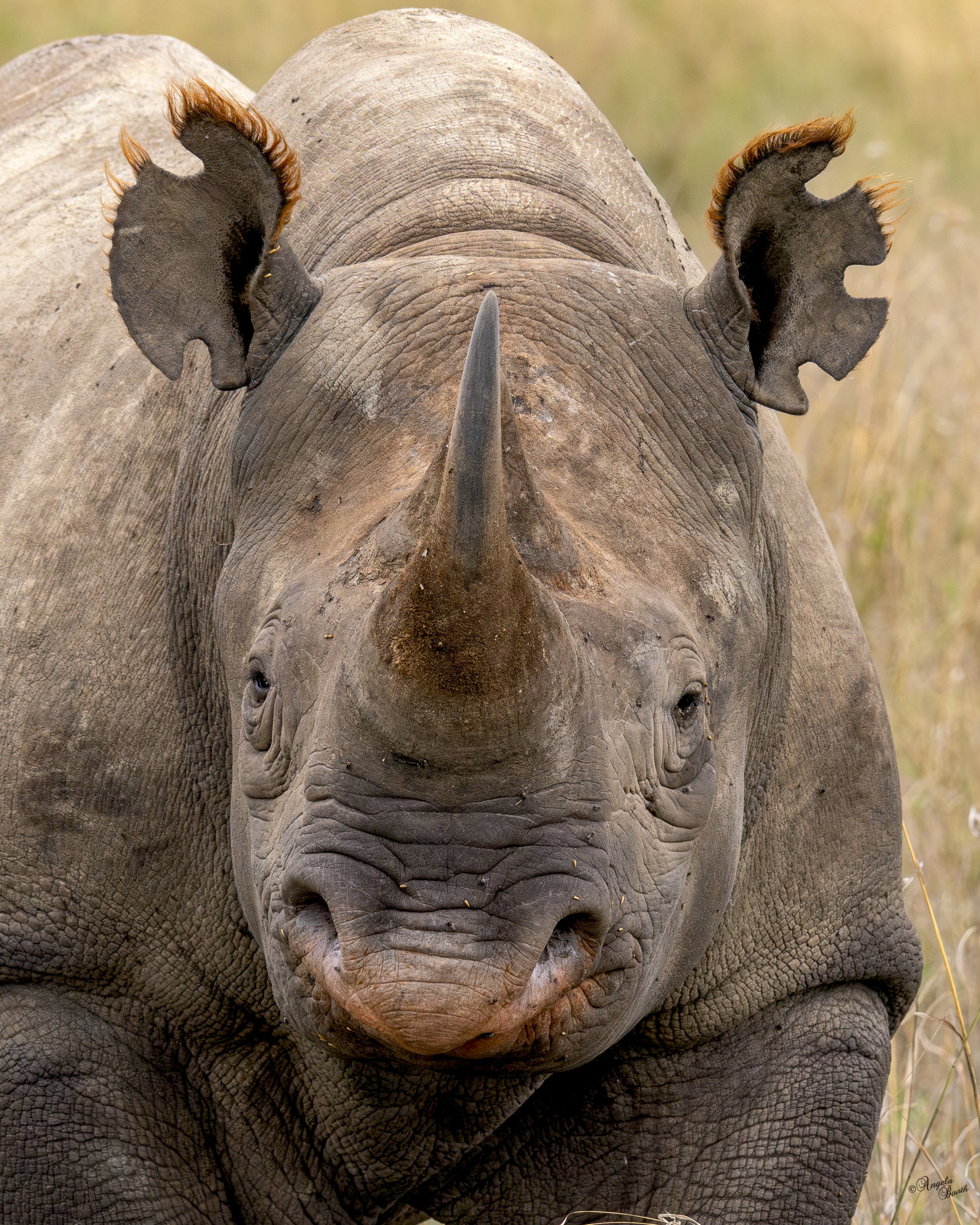
Guardians of a Vanishing Giant: The Serengeti Rhino Project
There was a time when the black rhino moved freely across the plains of the Serengeti in quiet abundance.
They were never as numerous as wildebeest or zebra, never as visible as lions—but they were there. Solid, ancient, and steady. A presence woven into the fabric of the ecosystem.
And then, almost suddenly… they were gone.
A Near Silence
In the 1970s, the Serengeti was home to around 700 black rhinos.
By the early 1990s, after years of relentless poaching driven by the illegal horn trade, that number had collapsed to just a handful—with only three individuals confirmed in the Moru Kopjes region.
Three!
It is almost impossible to grasp how close that is to disappearance.
The Beginning of Protection
In response to this crisis, a partnership was formed between the Frankfurt Zoological Society and the Tanzania National Parks Authority.
In 1996, the Serengeti Rhino Project began in earnest.
Its foundation was simple, but powerful:
Protect what remains. Rebuild what was lost.
At the heart of this effort is the Moru Kopjes, a landscape of rocky outcrops rising from the plains—one of the last refuges for the remaining rhinos. Here, the Michael Grzimek Memorial Rhino Post was established, creating a permanent base for monitoring and anti-poaching teams.
Rangers now live and work in the field full-time, tracking rhinos, responding to threats, and ensuring that what nearly vanished would not disappear again.
Watching Over Every Step
Protecting rhinos in a place as vast as the Serengeti is no small task.
This is not a fenced reserve. It is an open, living ecosystem spanning thousands of square kilometers.
So the project evolved.
Today, rhinos are carefully monitored using radio transmitters, often implanted in their horns, allowing conservation teams to track their movements in real time. During our safari in October of 2025 these transmitters were being upgraded. Sadly, for us, this prevented us from visiting the area.
Aerial patrols sweep across the plains, scanning for both wildlife and potential threats. Ground teams coordinate through radio networks, responding quickly to any sign of danger.
It is a constant, quiet vigilance.
Bringing Rhinos Home
Protection alone was not enough.
With numbers so low, the population needed help to recover.
Through the Serengeti Rhino Repatriation Project, additional rhinos have been carefully reintroduced—brought from other protected populations to strengthen both numbers and genetic diversity.
In recent years, even larger efforts have taken place, including the translocation of rhinos across continents—returning them, quite literally, to the land of their ancestors.
Each relocation is complex. Each animal represents years of planning, collaboration, and hope.
And each one matters.
A Fragile but Growing Future
Today, the Serengeti’s black rhino population—along with those in nearby Ngorongoro—has grown into one of the most significant free-ranging populations in Africa.
It is still fragile.
Rhinos reproduce slowly. A female carries her calf for over a year, and raises a single young at a time.
Recovery is measured not in seasons—but in decades.
But it is happening.
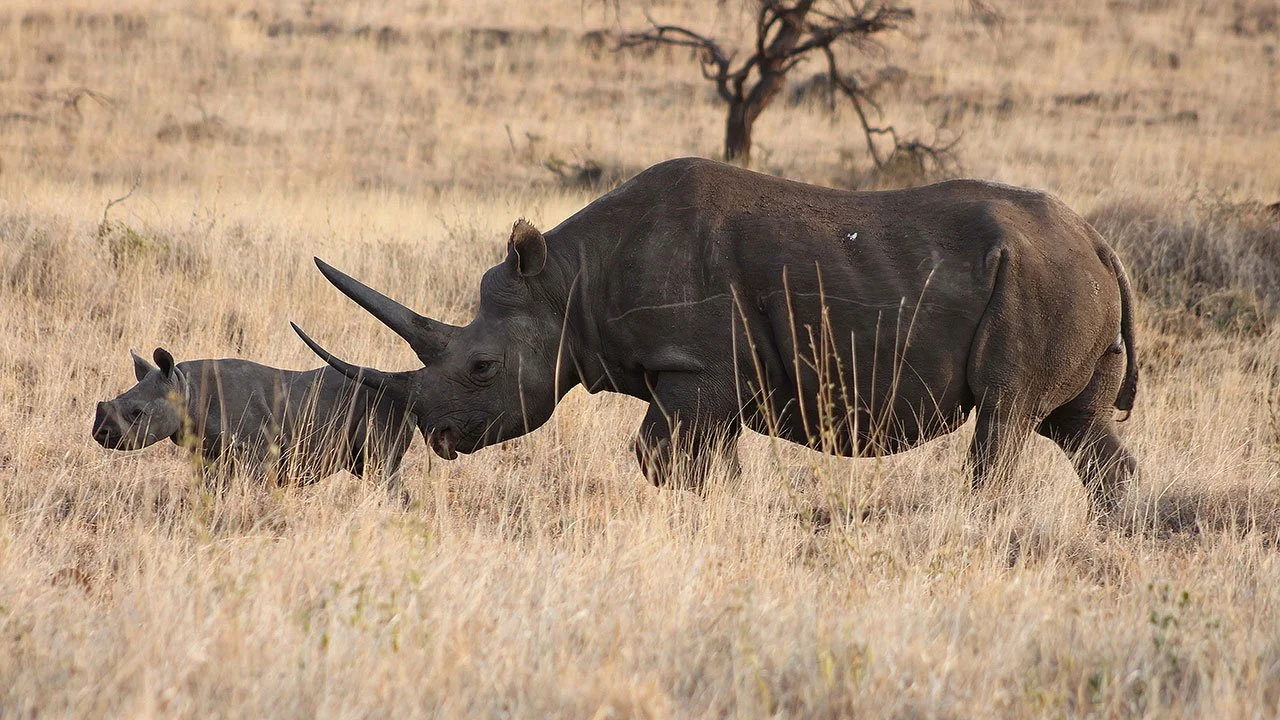
More Than Protection
What makes the Serengeti Rhino Project so meaningful is that it goes beyond simply guarding animals.
It is about:
Restoring balance to an ecosystem
Supporting rangers who dedicate their lives to protection
Engaging local communities so conservation and livelihoods can coexist
Ensuring future generations will still encounter these ancient giants
Because without people—committed, passionate, and persistent—there would be no rhinos left to protect.
Seeing a Rhino Today
To encounter a black rhino in the Serengeti today is something rare.
It is not guaranteed. It is not easy.
And that is precisely what makes it so powerful.
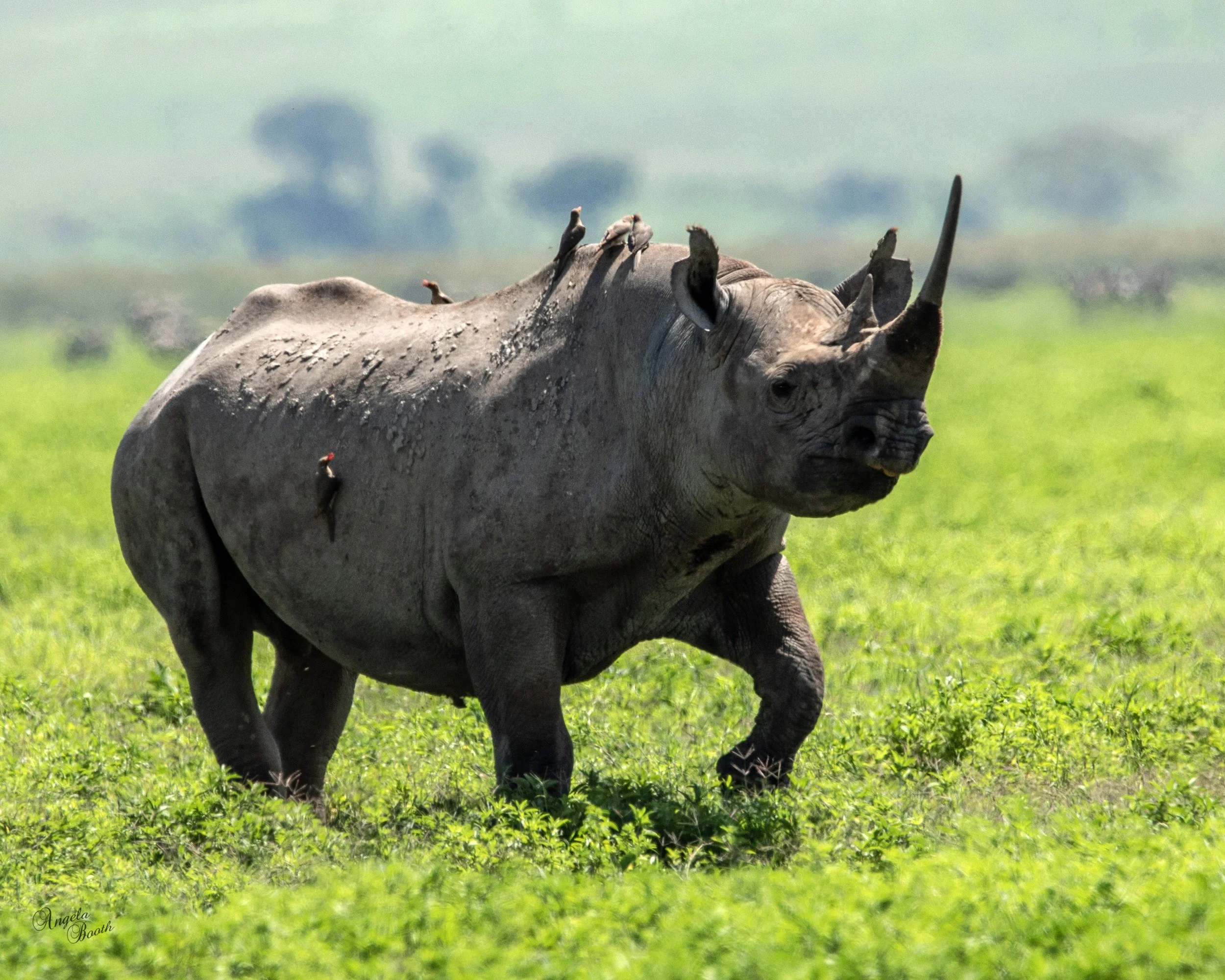
Because what you are witnessing is not just an animal…
…but the result of decades of effort, resilience, and unwavering belief that something once nearly lost could return.
A Story Still Being Written
The Serengeti Rhino Project is not a finished success.
It is an ongoing promise.
A commitment to remain watchful. To continue restoring. To protect not just a species—but a piece of the wild that feels ancient and irreplaceable.
And perhaps that is what makes it so compelling.
Because in a world where so much has been lost…
this is a story where something is being brought back.