Africa in Transition: The Truth About Safari Travel in May
May is one of Africa’s great transition months — and depending on where you travel, it can either be absolutely wonderful… or incredibly challenging.
One of the things I always encourage travelers to think carefully about is not simply when they want to travel in Africa, but where. Conditions can vary dramatically across the continent from month to month, and choosing the right region at the right time can make all the difference between an extraordinary safari experience and a frustrating one.
And May is a perfect example of that.
East Africa — Proceed Carefully
In East Africa, particularly in Tanzania and parts of Kenya, late April into early May is traditionally one of the wettest periods of the year.
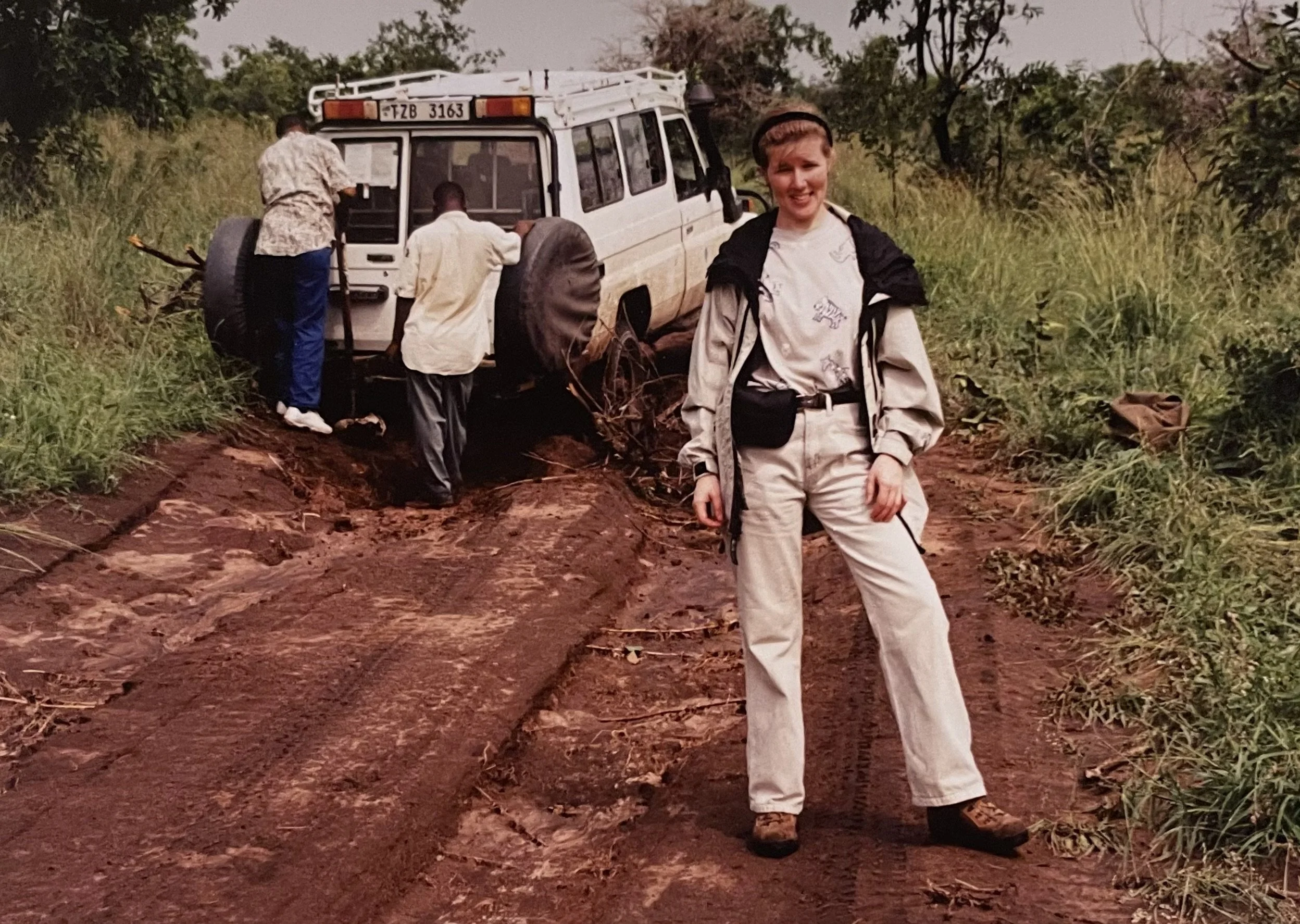
While the landscapes are undeniably lush and beautiful, the reality is that the long rains can create extremely difficult travel conditions. Roads can become deeply rutted, muddy, flooded, and occasionally even impassable. Long transfer days become even longer, and game drives can sometimes feel more like an endurance test than the relaxing wildlife experience many travelers imagine. The “African massage” that safari roads are famous for can quickly shift in this season into something far less charming — more of a deep-tissue pounding that reminds you just how challenging these conditions can be.
Some camps and lodges actually close during this period — particularly smaller seasonal properties — simply because access becomes too unpredictable.
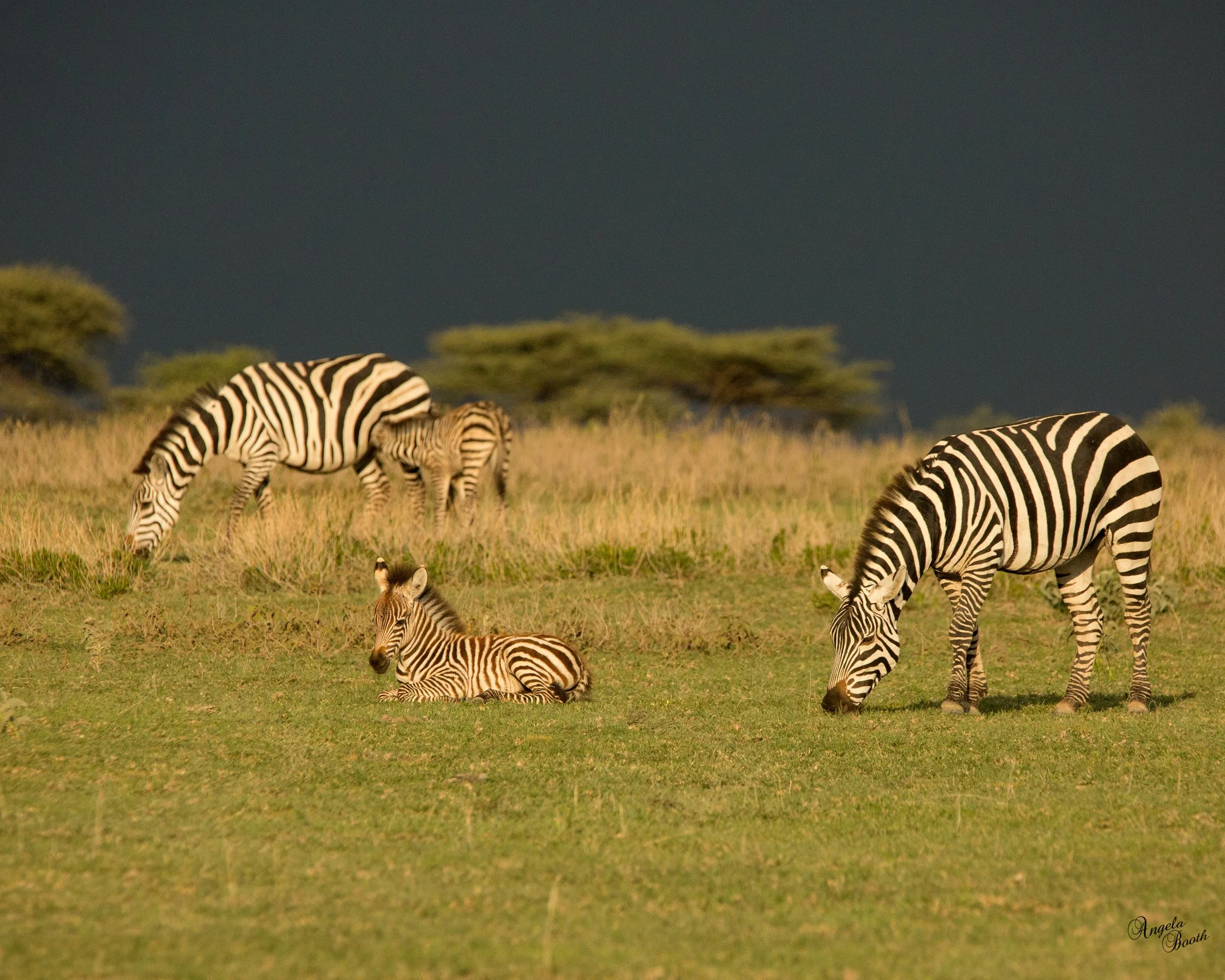
Wildlife viewing can also become more difficult this time of year. With abundant water everywhere and thick green vegetation covering the landscape, animals disperse widely instead of concentrating around permanent water sources. Dense bush can make spotting wildlife much harder, and the dramatic migration scenes many first-time safari guests envision are not typically at their peak during late April into early May.
Yes, the Great Migration is slowly beginning its gradual movement northward through the Serengeti ecosystem, but May is far more about transitional movement than the iconic river crossings and concentrated herds most people dream about when they picture an East African safari.
For experienced safari travelers, photographers seeking dramatic skies, or travelers specifically looking for lower seasonal rates, there can still absolutely be beauty in East Africa during May. Conditions often begin improving as the month progresses, particularly toward late May in many years, and taking advantage of shoulder season or low season pricing can sometimes be a very wise decision for flexible and adventurous travelers.
That said, for most of my clients — especially first-time safari travelers — I generally feel there are far better African experiences available elsewhere during late April and early May.
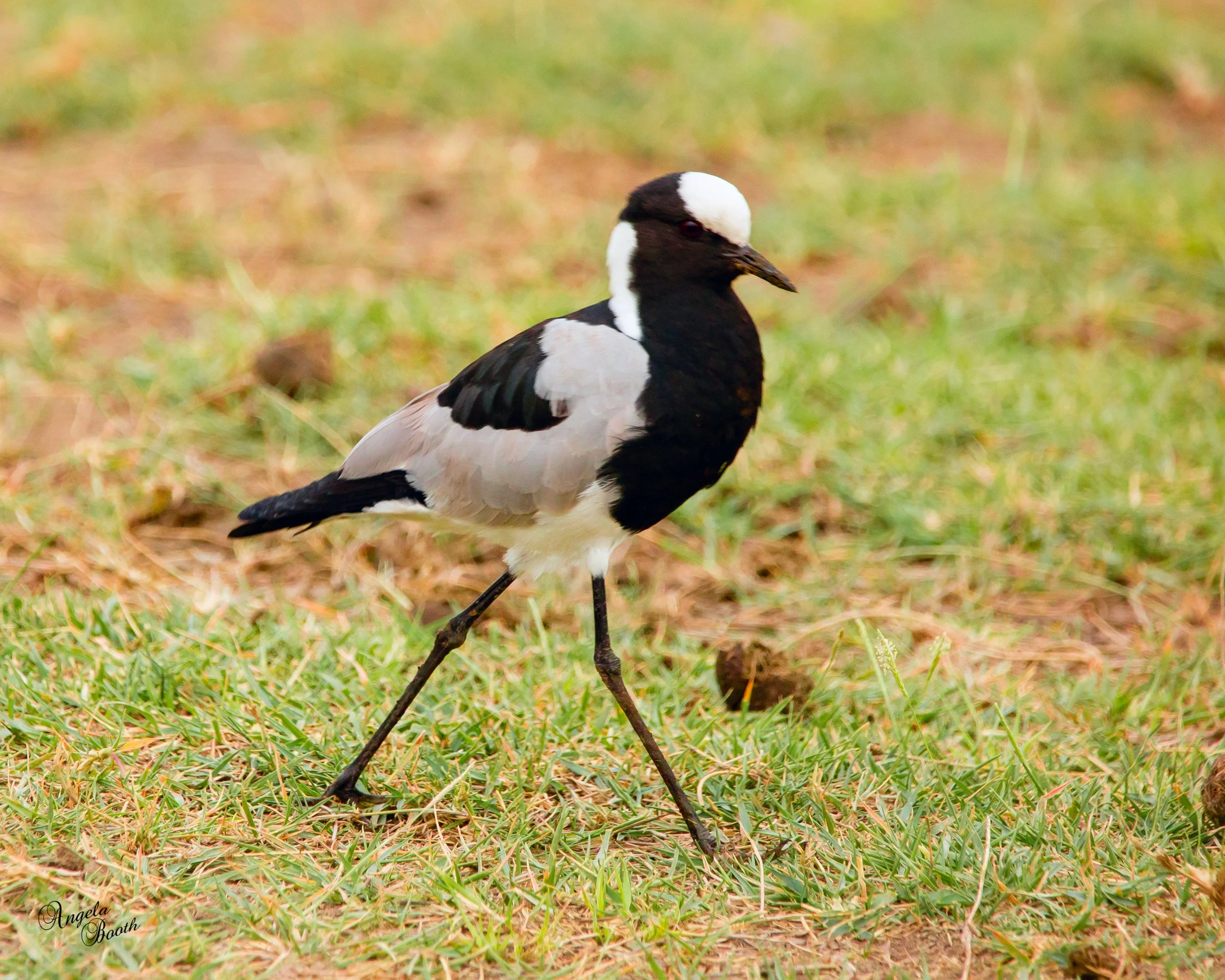
Birdwatchers tend to love this period, as breeding season brings extraordinary activity, color, and song to the forests and skies.
Southern Africa — Where May Truly Begins to Shine
While East Africa battles lingering rains, Southern Africa quietly begins waking up into safari season.
And honestly… this is where I think May becomes incredibly exciting.
Across Botswana, Zambia, Zimbabwe, Namibia, and parts of South Africa, the dry season slowly begins taking hold. The thick summer vegetation starts fading back, humidity drops, temperatures become more comfortable, and wildlife viewing steadily improves week by week.
There is a freshness to safari in May.
Mornings are crisp and cool, and early game drives often require a fleece and lightweight windbreaker — especially in open safari vehicles before sunrise. But by midday, temperatures are usually wonderfully comfortable for being outdoors.
As grasses shorten and the bush begins thinning, predators become easier to spot. Lions, leopards, and wild dogs blend beautifully into the drying landscapes, and sightings often become increasingly rewarding as visibility improves.
This is also the beginning of one of Africa’s most remarkable natural phenomena — the annual flooding of the Okavango Delta in Botswana.
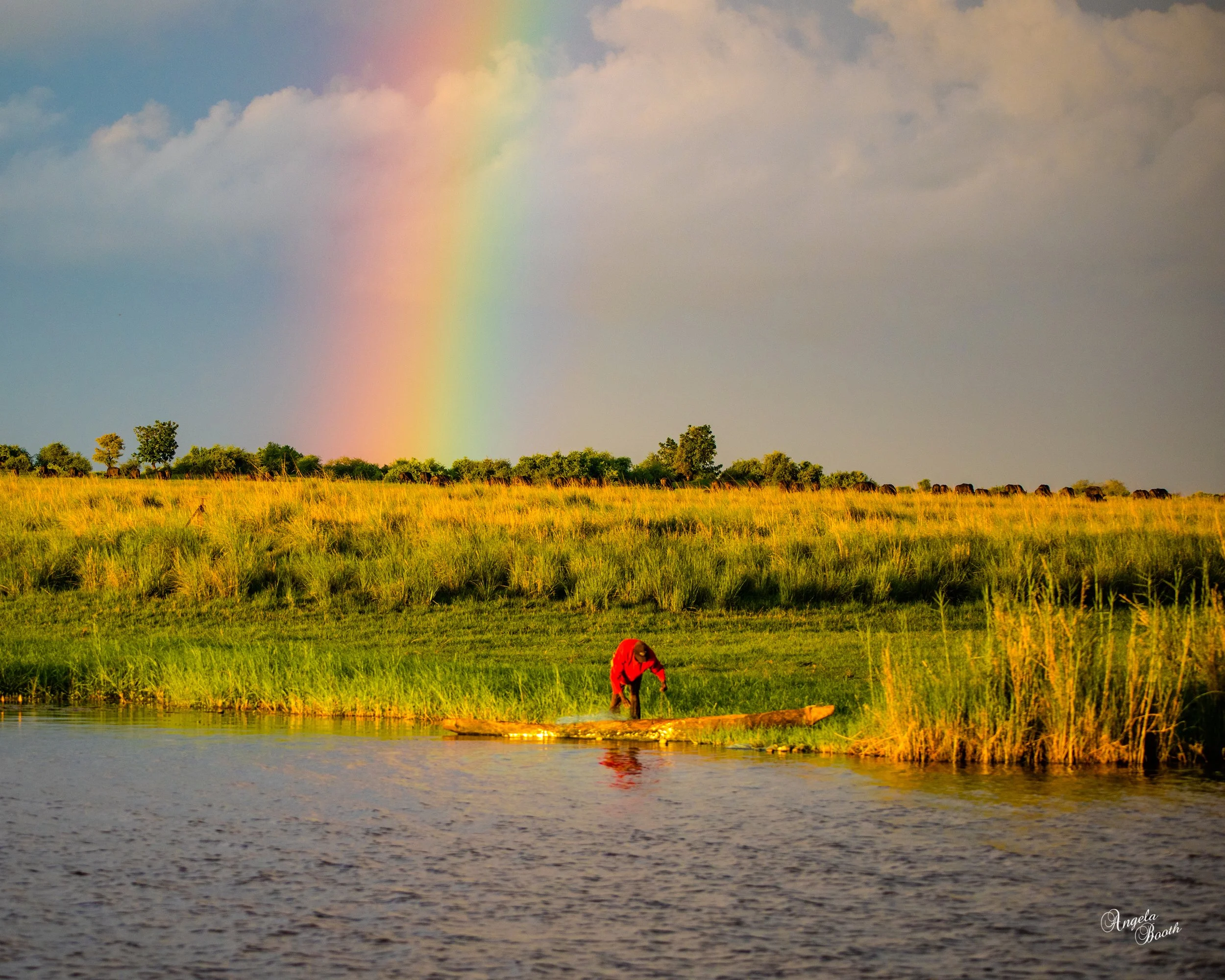
Water that fell months earlier in the distant Angolan Highlands slowly begins making its way into Botswana, gradually filling channels and floodplains deep within the Delta. It is one of nature’s great miracles to witness an ecosystem come alive from rains that occurred hundreds of miles away months before.
Another major advantage of May in Southern Africa is value.
In many areas, this is still considered shoulder season, meaning travelers can often enjoy exceptional safari experiences with fewer crowds and more attractive pricing before peak dry-season rates arrive later in June, July, and August.
For travelers looking for excellent wildlife viewing, beautiful weather, and a more relaxed atmosphere, Southern Africa can be one of the smartest choices in May.
The Indian Ocean — Sun, Sea & Warm Water
For those dreaming of beaches and turquoise water, May can also be an excellent time to focus on parts of the Indian Ocean rather than the East African coast.
While Zanzibar and sections of the Swahili Coast can still experience lingering rains, destinations like the Seychelles and Mozambique often offer far more favorable conditions.
The Seychelles are particularly lovely during May. The ocean is warm, visibility is excellent for snorkeling and diving, and the islands feel peaceful and idyllic this time of year. Calm seas, white sand beaches, and lush tropical scenery create the perfect post-safari escape.
Mozambique also enters a beautiful stretch of weather during May, with warm temperatures, dry conditions, and excellent marine visibility. For travelers who love remote beaches, marine life, and a quieter coastal atmosphere, it can be an absolutely spectacular choice.
Cape Town & The Winelands
Down in South Africa’s Cape region, May brings the gentle arrival of winter.
The crowds of summer begin fading, cooler temperatures settle in, and Cape Town takes on a wonderfully cozy atmosphere. Yes, you can expect some cloudy skies and rainy days, but this is also when the city’s cultural life really comes alive indoors.
Live music, intimate wine bars, theater festivals, indoor markets, and evenings at the historic Labia Theatre all become part of the seasonal rhythm.
Meanwhile, throughout the Cape Winelands, harvest celebrations continue with wine festivals and culinary events in places like Stellenbosch, Paarl, and Franschhoek.
There is something deeply comforting about the Cape during this season — fireplaces crackling in wine estates, rich red wines, dramatic mountain scenery, and slow rainy afternoons overlooking vineyards.
Final Thoughts
May is not a one-size-fits-all safari month.
In some regions — particularly Tanzania during late April into early May — the long rains can create genuinely difficult travel conditions that I personally feel many travelers underestimate. But elsewhere across the continent, May can be one of the best-kept secrets in African travel.
Southern Africa begins coming into its own.
The Indian Ocean sparkles.
Botswana slowly awakens with floodwaters.
Cape Town settles into cozy winter charm.
Choosing the right destination for the right season is one of the most important parts of planning an African journey — and May is a perfect example of why that matters so much.