July Across Africa: The Dry Season Finds Its Rhythm
By July, much of Africa has settled into the dry season.
The lush greens of the rainy months have begun to fade, grasses grow shorter, and wildlife naturally gravitates toward dependable water sources. For some safari enthusiasts, this is when many of Africa's most iconic destinations truly shine.
While every country has its own unique personality, July offers wonderful wildlife viewing almost everywhere.
Here's a look at what July feels like across our favorite safari destinations.
🇹🇿 Tanzania
The long rains are now a distant memory, and the bush has settled into the comfortable rhythm of the dry season. Mornings begin cool and crisp, the afternoons are pleasantly warm, and the skies seem to stretch on forever.
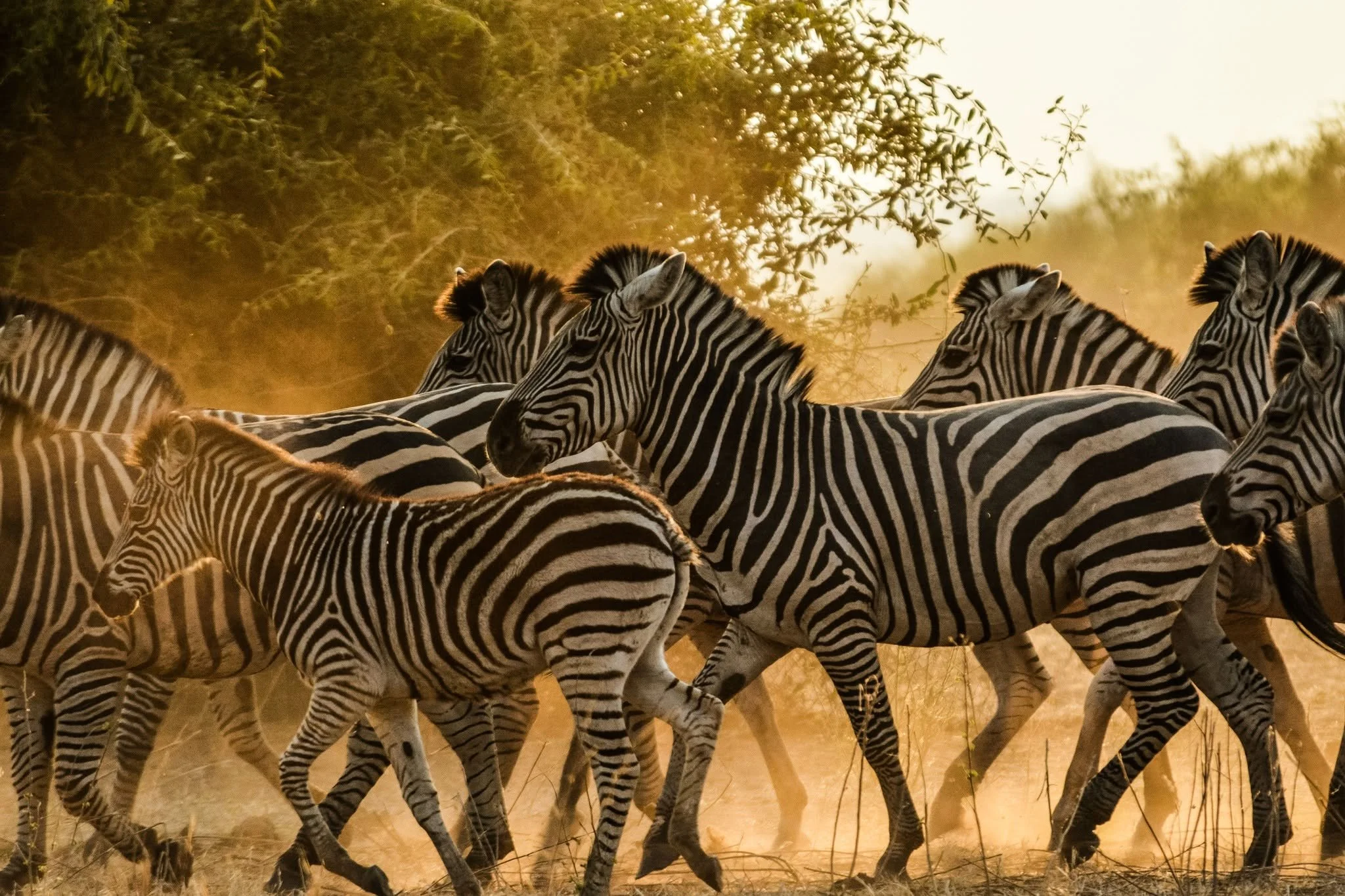
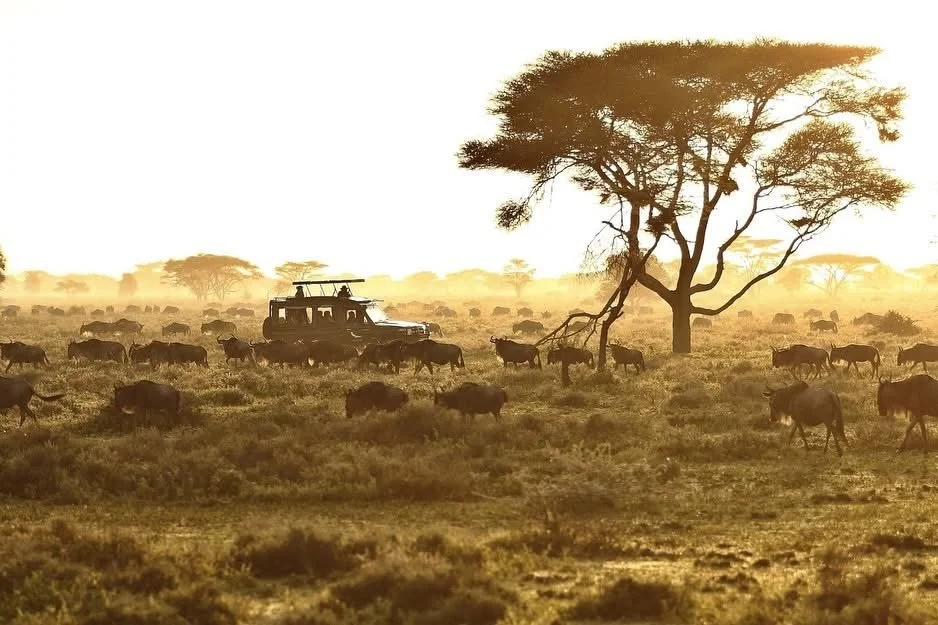
Across the Serengeti, the Great Migration continues its remarkable journey northward. Vast herds of wildebeest and zebra move steadily toward the Mara River, where one of nature's most dramatic spectacles will soon unfold. While no one can predict exactly when or where the famous river crossings will occur, the anticipation is unmistakable. Everywhere you look, there is movement, purpose, and the quiet energy of a landscape preparing for what comes next.
As the grasses gradually shorten and water becomes more concentrated, wildlife is easier to find throughout the northern safari circuit. Elephants gather beneath the acacia trees, giraffes browse peacefully across the plains, and predators are never far away. Every game drive holds the promise of something unexpected.
From everything I hear from our guides and guests who have experienced Tanzania in July, one of the greatest gifts of this month is the balance it offers. The days are wonderfully comfortable, wildlife viewing is exceptional, and the landscapes still carry the beauty of the season that came before. It is a time when Tanzania seems to settle into its rhythm, inviting you to slow down, look a little closer, and simply enjoy the incredible world unfolding around you.
🇰🇪 Kenya
July marks the beginning of one of Kenya’s most exciting and busy safari seasons.
Across the Maasai Mara, the landscape begins to fill with anticipation as the first herds of the Great Migration make their way north from Tanzania. The arrival of the wildebeest and zebra is one of nature’s greatest journeys, and while no one can predict exactly when or where the famous Mara River crossings will happen, the excitement builds with each passing day.
But the magic of Kenya in July goes far beyond the migration.
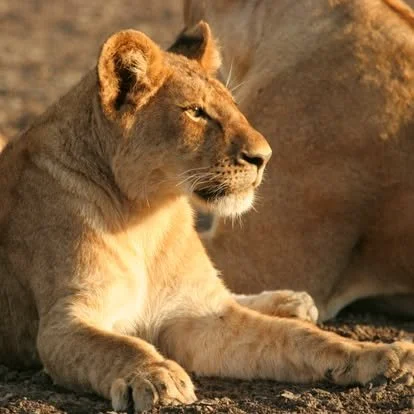
The Maasai Mara is a spectacular wildlife destination year-round, with resident lions, elephants, giraffes, cheetahs, and countless other species calling this ecosystem home. The open grasslands make for incredible viewing, and the cooler temperatures of the dry season create wonderful conditions for long days exploring the reserve.
There is something special about being in the Mara during this time of year. The landscape feels alive with possibility. Every game drive holds the promise of discovery, whether you are watching a pride of lions resting beneath an acacia tree, following a cheetah across the plains, or simply taking in the endless beauty of one of Africa’s most iconic landscapes.
July is a month when Kenya reminds us that the journey itself is just as meaningful as the destination.
🇧🇼 Botswana
July is simply spectacular in Botswana.
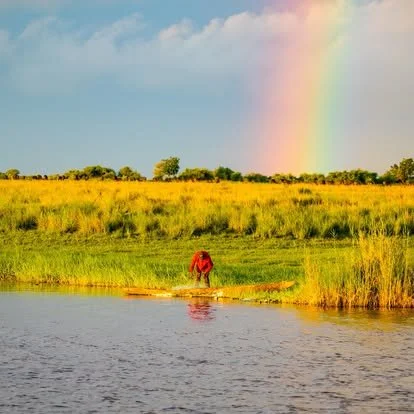
The annual floodwaters have spread throughout much of the Okavango Delta, transforming it into one of Africa's most extraordinary ecosystems. The floodwaters have been abundant this year, 2026, making the Okavango truly spectacular.
This is the season when mokoro excursions become especially memorable, gliding quietly through channels lined with papyrus while elephants, antelope, and countless bird species share the waterways.
Wildlife viewing continues improving as animals concentrate around permanent water.
🇿🇦 South Africa
July is winter in South Africa, bringing crisp mornings, sunny afternoons, and some of the clearest skies of the year.
While many travelers think of South Africa for its wildlife, it is also one of the most wonderfully diverse destinations on the continent. It's a place where you can spend one day exploring spectacular coastlines, enjoying world-class food and wine, or wandering through charming seaside communities, and the next day find yourself on safari.
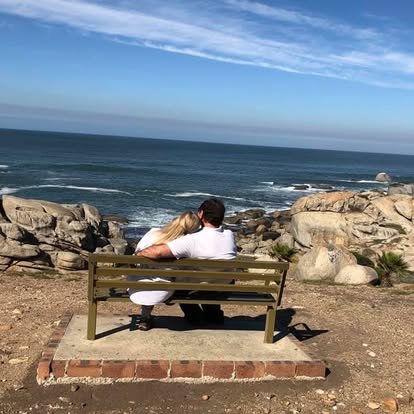
Cape Town is especially beautiful this time of year. From the dramatic cliffs of the Cape of Good Hope to the colorful waterfront, the scenery is breathtaking. The cooler temperatures make sightseeing comfortable, whether you're riding the cable car to the top of Table Mountain, visiting the penguins at Boulders Beach, or simply pausing to take in the endless views where two great oceans meet.
For those who choose to add a safari in one of the private game reserves or Kruger National Park, the dry winter months also provide excellent wildlife viewing.
South Africa truly offers the best of both worlds—an unforgettable blend of natural beauty, fascinating history, incredible cuisine, and exceptional wildlife experiences.
🇿🇼 Zimbabwe
In July, Zimbabwe has settled comfortably into the dry season, and there is an unmistakable sense that safari is coming into its own.
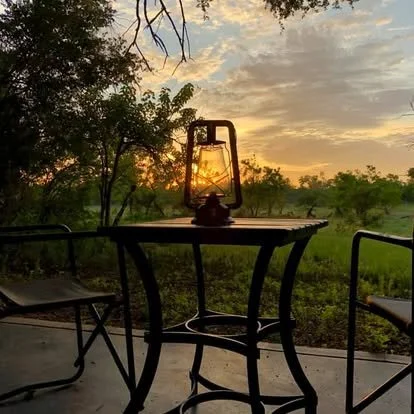
The mornings are cool and refreshing, often beginning with a light jacket and a warm cup of coffee as the first rays of sunshine reach across the landscape. As the day unfolds, the temperatures become wonderfully comfortable—perfect for long game drives and simply enjoying every moment outdoors.
In Hwange National Park, wildlife viewing becomes increasingly rewarding. As seasonal water sources begin to disappear, animals gradually make their way to the remaining pans and waterholes. Large herds of elephants are a common sight, often gathering to drink, bathe, and socialize, while predators patiently take advantage of the opportunities the dry season provides.
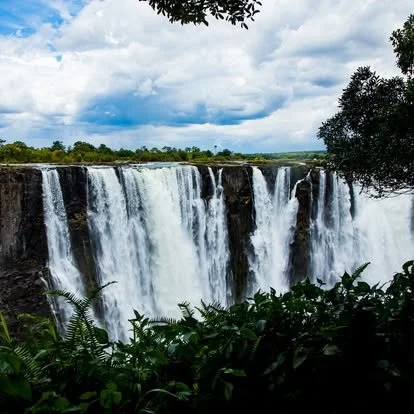
July is also a beautiful time to visit Victoria Falls. The tremendous volume of water from the rainy season is still pouring over the edge, creating a spectacular display, yet the mist has begun to lessen just enough to reveal more of the falls themselves. It's a wonderful balance—dramatic, powerful, and breathtakingly beautiful.
Whether you're watching elephants wander across the golden grasslands of Hwange or standing in awe of one of the world's greatest waterfalls, July has a way of reminding you just how wild and magnificent Africa can be.
🇿🇲 Zambia
July is when Zambia truly begins to come into its own.
The dry season is well underway, and each passing week brings even better wildlife viewing. As grasses begin to thin and water becomes more limited, animals naturally gather along the rivers, making sightings more frequent and often more intimate.
South Luangwa National Park is considered one of Africa's premier safari destinations, and it's easy to understand why. The Luangwa River becomes the lifeblood of the park, attracting everything from elephants and buffalo to hippos, crocodiles, and the predators that follow.
What I love most about Zambia is its feeling of wilderness. It hasn't lost that sense of being wonderfully remote, where the focus isn't on crowds or busy schedules, but on simply being immersed in nature.
July offers comfortable temperatures, beautiful golden light, and the kind of safari experience that reminds you just how wild and extraordinary Africa can be.
If I had to choose one word to describe Africa in July, it would be: Rhythm
By July, the excitement of the changing seasons has settled, and Africa seems to find her natural pace once again. There is a comforting predictability to each day—not because every day is the same, but because life unfolds as it has for thousands of years.
The animals know exactly where they need to be.
Elephants make their daily journey to the rivers and waterholes. Lions seek the shade during the heat of the afternoon before the cooler evening stirs them back to life. Hippos leave the water under the cover of darkness to graze, returning before the morning sun climbs too high. And across the Serengeti, hundreds of thousands of wildebeest and zebra continue their remarkable migration, following ancient instincts that have guided them from one generation to the next.
As visitors, we simply have the privilege of slipping into that rhythm for a little while.
Our days begin with the first light of dawn, when the bush is waking and anything feels possible. We pause for a picnic breakfast surrounded by incredible scenery before continuing our search for whatever surprises the day may bring. By late afternoon, the golden light softens the landscape, and every game drive seems to end with stories worth sharing over dinner.
It's a slower pace than most of us are used to at home, and perhaps that's one of safari's greatest gifts.
For a little while, the clock no longer seems to matter.
Instead, your days are measured by sunrise and sunset, by the sounds of the bush, and by the quiet rhythm of nature itself.
And somehow, without even realizing it, you begin to settle into that rhythm too.
.